
Adventure travel insurance high risk areas can help protect you when your trip includes remote places, extreme weather, or exciting outdoor activities. Whether you plan to climb mountains, trek through jungles, dive into deep oceans, or explore icy landscapes, the right travel insurance adds an important layer of protection. Moreover, many adventure travellers visit places where medical care is far away, so having suitable coverage can make a big difference if something unexpected happens.
Travel should be exciting, but it should also be well planned. Therefore, choosing the right insurance before your trip is just as important as booking your flights or packing your gear. First, this guide explains how adventure travel insurance works and what it usually covers. Next, it shows you how to compare different policies with confidence. Furthermore, you will learn how to prepare for high-risk destinations before you leave. In addition, you will discover practical travel tips that help you stay safe, reduce stress, and protect both your health and your travel budget. Overall, this guide gives you the knowledge you need to enjoy every adventure with greater confidence.
What Are Adventure Travel Insurance High Risk Areas?
Featured Snippet Adventure travel insurance high risk areas is a type of travel insurance designed for travelers visiting remote or higher-risk destinations or taking part in adventure sports. It may provide protection for medical emergencies, evacuation, trip cancellation, lost baggage, and selected outdoor activities, depending on the policy and provider.
Adventure travel insurance is different from standard travel insurance.
First, it is designed for trips with greater risks. These trips often include outdoor adventures or travel to isolated places.
Moreover, many regular travel insurance plans exclude activities such as mountain climbing, scuba diving, or backcountry skiing.
Therefore, travelers should always check what activities are included before buying a policy.
Every insurance company has different rules.
As a result, reading the policy details carefully is always important.
Why High-Risk Areas Need Special Travel Insurance
Some destinations are more challenging than others.
For example, remote mountains, deserts, rain forests, and polar regions may have limited medical services. As a result, getting medical treatment quickly may be difficult during an emergency.
Moreover, reaching a hospital may take many hours.
Emergency transportation may also require helicopters or special rescue teams. As a result, rescue costs can increase quickly, especially in remote locations.
Therefore, emergency medical evacuation can become very expensive.
In addition, changing weather conditions can increase travel risks.
Floods, snowstorms, strong winds, or heavy rain may delay transportation.
As a result, travelers may need extra accommodation or new travel arrangements.
Adventure insurance may help with many unexpected travel problems when covered by the policy.
What Makes an Area High Risk?
Many people think only dangerous countries are high risk.
However, that is not always true.
A peaceful country may still have high-risk adventure locations.
Examples include:
- Remote mountain ranges
- Deep forests
- Arctic regions
- Active volcano areas
- Desert landscapes
- Remote islands
- High-altitude trekking routes
- Areas with limited medical facilities
Risk depends on several factors.
These include weather, distance from hospitals, emergency services, and planned activities.
Common Adventure Activities That May Require Extra Coverage
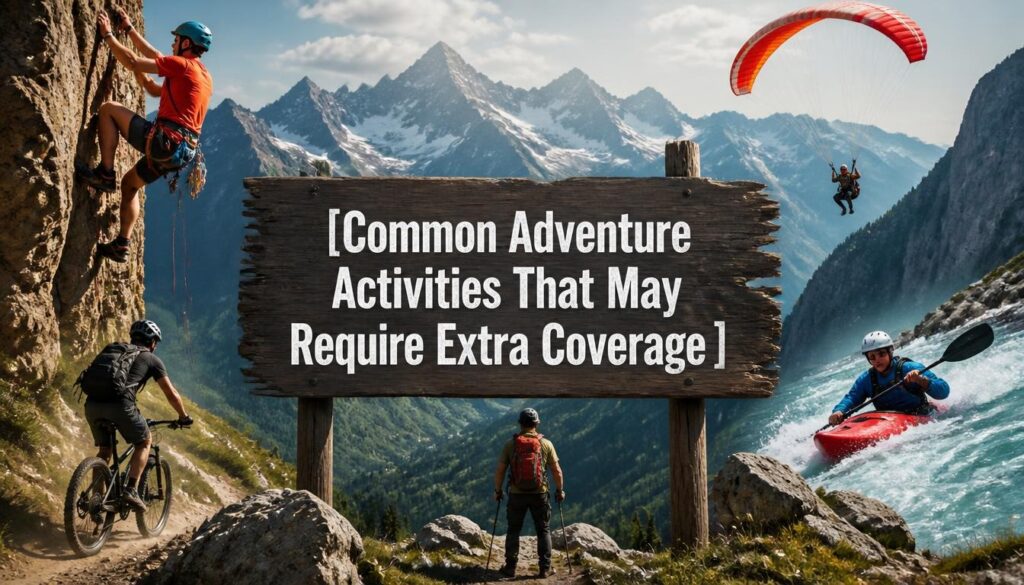
Different insurance companies cover different sports.
Therefore, always check the activity list before buying a policy.
Common activities include:
| Adventure Activity | Extra Coverage May Be Needed |
| Mountain trekking | Yes |
| Rock climbing | Usually |
| Ice climbing | Usually |
| Scuba diving | Often |
| White-water rafting | Often |
| Ski touring | Usually |
| Snowboarding | Sometimes |
| Mountain biking | Often |
| Zip lining | Sometimes |
| Kayaking | Sometimes |
Some providers separate activities into low, medium, and high-risk groups.
As a result, your premium may change depending on your planned adventure.
Types of Coverage You Should Look For
Every policy is different.
However, many comprehensive adventure policies include similar protections.
Emergency Medical Expenses
Medical treatment abroad can be costly.
Therefore, this is one of the most valuable parts of travel insurance.
Coverage may include:
- Hospital treatment
- Doctor visits
- Emergency surgery
- Prescription medicine
- Ambulance services
Emergency Medical Evacuation
Remote rescue operations can cost thousands of dollars.
Therefore, emergency evacuation coverage is extremely important.
This benefit may include:
- Air ambulance
- Helicopter rescue
- Ground transportation
- Transfer to the nearest suitable hospital
Always review evacuation limits before purchasing.
Trip Cancellation
Sometimes a trip cannot happen.
For example, illness, family emergencies, or severe weather may affect travel.
Trip cancellation coverage may reimburse eligible prepaid travel costs according to policy terms.
Trip Interruption
Unexpected events sometimes happen during a trip. Therefore, trip interruption coverage may help with additional travel expenses when covered. In addition, it may help reduce financial stress if your journey changes unexpectedly.
Lost or Delayed Baggage
Adventure equipment is often expensive.
Lost luggage can delay outdoor activities.
Many policies may provide benefits for delayed or lost baggage within policy limits.
Personal Liability
Some travel insurance plans include personal liability protection.
This may help if you accidentally damage property or injure another person.
However, coverage varies greatly.
Always check exclusions carefully.
Adventure Sports Often Excluded by Standard Policies
Standard travel insurance often excludes higher-risk sports.
These may include:
- BASE jumping
- Wingsuit flying
- Cave diving
- High-altitude mountaineering
- Professional racing
- Extreme skiing
- Solo expeditions
Therefore, travelers should never assume these activities are covered.
Instead, purchase a policy designed specifically for adventure travel.
How Insurance Companies Assess Risk
Insurance providers evaluate several factors before offering coverage.
These include:
- Destination
- Planned activities
- Trip duration
- Traveler age
- Medical history
- Previous insurance claims
Moreover, some companies also consider seasonal weather risks.
As a result, prices may differ between travelers.
Choosing the Right Coverage Limits
Buying the cheapest policy is not always the best choice.
Instead, compare coverage limits carefully.
Important areas include:
| Coverage Type | Why It Matters |
| Medical Expenses | Covers emergency treatment abroad |
| Medical Evacuation | Helps pay rescue and transport costs |
| Trip Cancellation | Protects prepaid travel costs |
| Baggage Protection | Helps replace lost belongings |
| Personal Liability | Covers certain accidental damages |
Higher limits often provide stronger protection.
However, travelers should balance coverage with their travel budget.
How to Compare Adventure Travel Insurance Plans
Choosing the right policy takes time.
Therefore, compare several plans before making a final decision.
First, check the medical coverage limit before purchasing a travel insurance policy. This step helps you understand how much the insurer will pay if you need emergency medical treatment during your trip. In addition, compare the coverage amount with the healthcare costs at your destination, as medical expenses can vary significantly. As a result, choosing a policy with an adequate medical coverage limit can provide greater financial protection and peace of mind while traveling.
Next, review emergency evacuation benefits.
Also, look for trip cancellation and baggage protection. Moreover, confirm that your planned activities appear on the covered activity list. Next, read the policy wording carefully. As a result, you can avoid unpleasant surprises later and travel with greater confidence.
Compare Policy Exclusions
Every insurance plan has exclusions.
However, many travelers forget to read them.
Common exclusions may include:
- Alcohol or drug-related incidents
- Professional competitions
- Illegal activities
- Ignoring local safety rules
- Pre-existing conditions without approval
- Travel against official government advice
Therefore, understand these exclusions before your trip.
Understanding Adventure Activity Levels
Insurance providers often group activities by risk.
Therefore, your premium may depend on the activity level.
Low-Risk Activities
These activities are generally easier to insure.
Examples include:
- Guided hiking
- Canoeing on calm water
- Wildlife tours
- Camping
- Nature walks
Many standard policies may include these activities.
Medium-Risk Activities
These activities usually require additional coverage.
Examples include:
- Mountain biking
- Surfing
- Scuba diving
- Snowboarding
- Kayaking
Always confirm the maximum limits before departure.
High-Risk Activities
These adventures usually need specialist insurance.
Examples include:
- Technical climbing
- Ice climbing
- BASE jumping
- High-altitude mountaineering
- Cave diving
These activities often carry stricter policy conditions
Best Destinations Where Adventure Insurance Matters Most
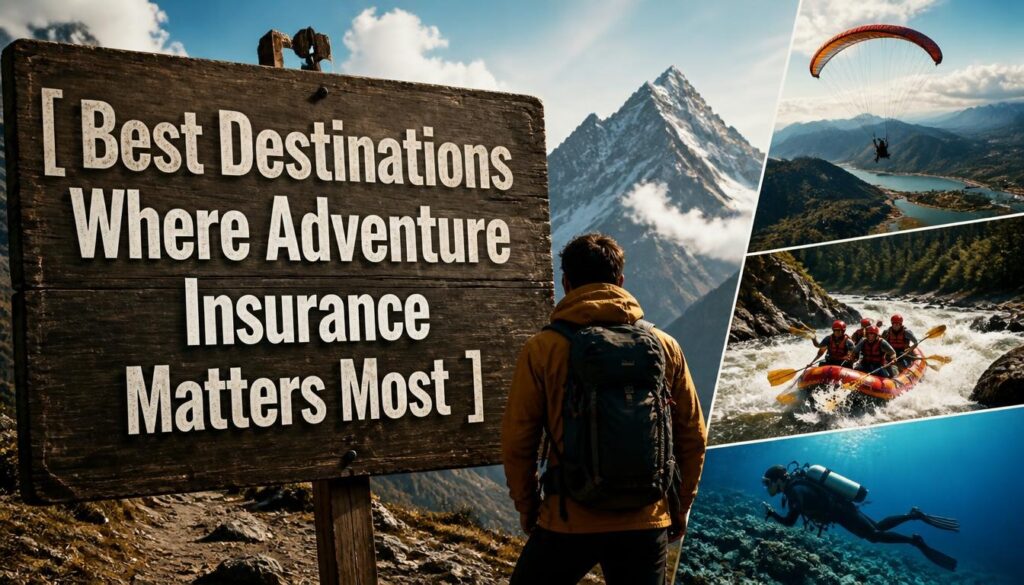
Adventure travel happens worldwide.
However, some regions present greater challenges.
Mountain Destinations
Mountain travel brings changing weather.
Moreover, altitude sickness can affect many travelers.
Popular examples include:
- The Alps
- The Rockies
- The Andes
- The Himalayas
Remote rescue operations may be expensive.
Therefore, medical evacuation coverage becomes very valuable.
Jungle Adventures
Rainforests offer incredible wildlife.
However, medical facilities may be far away.
Travelers often join:
- Jungle trekking
- Wildlife photography
- River expeditions
In addition, heavy rain may affect transportation.
Polar Regions
Arctic and Antarctic trips require careful planning.
Weather changes quickly.
Moreover, rescue services can be limited.
Many travelers also take cruises in these regions.
Insurance should match every planned activity.
Desert Expeditions
Deserts create different challenges.
Extreme heat and limited water supplies require preparation.
Therefore, travellers should carry emergency supplies and follow local advice. In addition, they should stay hydrated, monitor weather conditions, and share their travel plans with someone they trust.
Remote Islands
Island adventures often include diving and boating.
Medical care may be limited.
As a result, evacuation coverage becomes especially useful.
Medical Coverage You Should Never Ignore
Medical costs differ around the world.
Therefore, travelers should select suitable coverage limits.
Important medical benefits may include:
- Emergency hospital care
- Surgery
- Prescription medicine
- Medical transport
- Follow-up treatment
- Emergency dental treatment
Always check waiting periods and policy conditions.
Emergency Evacuation Explained
Many travelers underestimate evacuation costs.
However, helicopter rescue may cost far more than expected.
Emergency evacuation may include:
- Mountain rescue
- Air ambulance
- Ground ambulance
- Transfer between hospitals
- Return home when medically necessary
Policy limits vary.
Therefore, compare them carefully.
Protecting Your Adventure Equipment
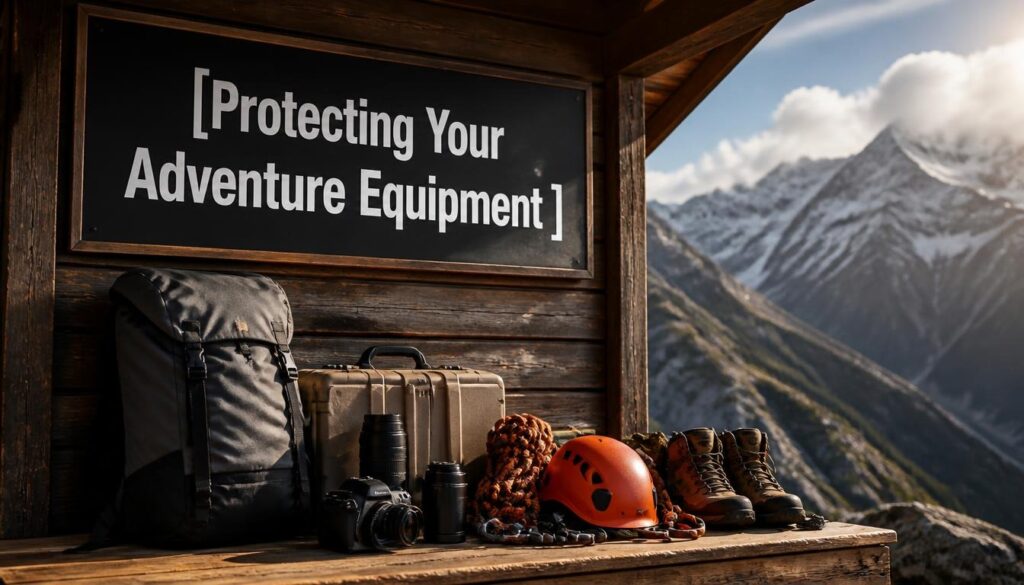
Adventure gear often costs a lot.
Examples include:
- Climbing ropes
- Helmets
- Hiking boots
- Cameras
- Diving equipment
- Camping gear
- GPS devices
Some policies offer optional sports equipment protection.
Moreover, limits may apply to valuable items.
Keep receipts whenever possible. Furthermore, store digital copies in a secure place so they are easier to access if you need to file an insurance claim.
Does Adventure Insurance Cover Weather Problems?
Weather can change quickly.
Therefore, delays sometimes happen.
Coverage depends on the policy.
Some plans may help with:
- Trip delays
- Missed connections
- Additional accommodation
- Rebooking transportation
However, not every weather event qualifies.
Read the policy carefully before travelling. Additionally, make sure you understand the coverage limits, exclusions, and claim process before your trip begins.
Can Families Buy Adventure Travel Insurance?
Yes, many insurers offer family plans.
Children can enjoy outdoor adventures too.
However, every activity should match age requirements.
Family policies may include:
- Shared medical protection
- Trip cancellation
- Baggage coverage
- Emergency assistance
Parents should always verify activity restrictions.
Adventure Insurance for Solo Travelers
Solo travel continues to grow.
Moreover, many solo travelers enjoy outdoor adventures.
Insurance becomes especially valuable because there may be no travel partner nearby. Therefore, having reliable coverage can provide financial protection and faster access to emergency assistance when needed.
Solo travelers should consider:
- Emergency medical care
- Evacuation coverage
- 24-hour emergency support
- Personal belongings protection
Good planning also improves safety.
Travel Insurance for Seniors
Many older travelers enjoy adventure trips.
However, age limits vary between insurers.
Some providers offer specialized plans.
Medical screening may sometimes be required.
Therefore, compare several companies before booking.
Tips Before Buying a Policy
Buying insurance should never be rushed.
Instead, spend time comparing options. Furthermore, review the coverage limits, exclusions, and benefits carefully before making your final decision.
Helpful tips include:
- Buy insurance early.
- Read the full policy.
- Compare coverage limits.
- Confirm covered activities.
- Save emergency phone numbers.
- Keep digital policy copies.
- Understand exclusions.
- Ask questions before purchase.
Preparation helps prevent future problems.
Should You Buy Insurance Early?
Yes, buying early offers several benefits.
First, some protections begin before departure.
Moreover, early purchase may cover certain trip cancellation events.
Waiting until the last minute may reduce available benefits. Therefore, buying your policy early can give you better protection and more time to understand your coverage.
Therefore, purchasing soon after booking is generally a smart choice.
Important Documents to Carry
Adventure travelers should organise documents before leaving home. In addition, keeping both printed and digital copies makes them easier to access during emergencies or unexpected travel delays.
Carry both paper and digital copies.
Useful documents include:
- Passport
- Insurance policy
- Emergency contacts
- Medical information
- Travel itinerary
- Flight details
- Hotel confirmations
Keeping backups makes travel easier.
Adventure Travel Insurance High Risk Areas and Sustainable Travel
Adventure travel should protect both people and nature.
Therefore, travelers should respect local communities and natural environments.
Choose licensed guides whenever possible. Furthermore, experienced guides can improve your safety and help you navigate challenging environments with confidence.
Moreover, stay on marked trails to reduce environmental damage.
Carry reusable water bottles and reduce plastic waste.
In addition, follow local wildlife rules.
Responsible travel creates better experiences for everyone.
Accessibility for Adventure Travelers
Some adventure destinations welcome travelers with different mobility needs.
However, accessibility varies by location and activity.
Ask tour operators about:
- Accessible transportation
- Trail conditions
- Special equipment
- Accommodation features
- Emergency support
Therefore, planning ahead helps create a smoother journey.
Budget Tips for Adventure Travelers
Adventure trips do not always require a large budget.
However, careful planning helps reduce costs.
You can save money by:
- Booking early.
- Comparing insurance plans.
- Travel during shoulder seasons whenever possible. Moreover, you may enjoy lower prices, fewer crowds, and a more relaxed travel experience.
- Pack your own equipment when practical. Additionally, using familiar gear can improve comfort and help reduce rental costs during your adventure.
- Joining small group tours.
- Watching airline baggage limits.
Moreover, never choose insurance based only on the lowest price.
The right coverage often provides better value.
Best Time to Buy Adventure Travel Insurance
The best time is usually soon after booking your trip.
Therefore, you may receive more complete protection for covered events before departure.
Do not wait until the final days before travelling. Instead, purchase your insurance early so you have enough time to review your coverage and prepare for your trip.
Instead, compare policies while planning your adventure.
This gives enough time to review coverage and ask questions.
Local Travel Tips for High-Risk Destinations
Every destination has different conditions.
Therefore, always prepare before you arrive.
Helpful travel tips include:
- Check local weather forecasts regularly.
- Follow guidance from local authorities.
- Carry enough drinking water.
- Keep emergency contacts available.
- Tell someone your travel plans.
- Wear suitable safety equipment.
- Stay with your group whenever possible.
- Keep your phone fully charged.
Good preparation often improves both safety and enjoyment. Therefore, travelers should take time to plan their trip carefully before departure. This includes researching the destination, checking weather conditions, packing essential items, and reviewing travel insurance coverage. In addition, keeping important documents organised and creating an emergency plan can help reduce stress during unexpected situations. As a result, travellers can enjoy their adventure with greater confidence, peace of mind, and fewer unnecessary risks.
Booking Advice for Adventure Trips
Booking carefully helps avoid unexpected problems.
First, choose trusted tour operators.
Next, read customer reviews from reliable websites.
Moreover, confirm that guides hold proper certifications where required.
Before making a payment, always ask what equipment is included in the price. This way, you can avoid unexpected costs and ensure you have everything needed for your activity. In addition, confirm whether safety gear, rental equipment, or other essential items are provided. As a result, you can prepare properly, stay within your budget, and enjoy your adventure with greater confidence.
Finally, review cancellation policies before confirming your reservation.
Frequently Asked Questions
Is adventure travel insurance high risk areas worth buying?
Yes. It may help protect you from unexpected medical costs, emergency evacuation, trip cancellation, and other covered travel problems. Therefore, it provides valuable peace of mind for many adventure travelers.
Does adventure travel insurance cover all adventure sports?
No. Every insurer has its own list of covered activities. Therefore, always read the policy carefully and confirm that your planned adventure is included before traveling.
Can I buy adventure travel insurance after booking my trip?
Yes. Many travelers purchase insurance after booking. However, buying earlier may provide additional benefits for certain covered trip cancellation situations.
Does travel insurance cover helicopter rescue?
Some adventure policies include emergency helicopter rescue when medically necessary. However, coverage limits and conditions differ between providers, so always review the policy details.
What should I check before buying a policy?
Compare medical coverage, evacuation benefits, covered activities, baggage protection, cancellation benefits, exclusions, and claim procedures. Moreover, read the full policy wording before making your decision.
Does adventure travel insurance cover lost equipment?
Some policies provide protection for sports or adventure equipment. However, coverage limits and item restrictions usually apply, so check the policy carefully before departure.
Can families purchase adventure travel insurance?
Yes. Many insurers offer family plans for adventure travel. However, covered activities, age limits, and benefits may differ depending on the insurance provider.
Also Read;
Best Time to Visit Switzerland for First-Time Travellers
Things to Do in Dubai at Night: Best Places to Visit
Conclusion
Adventure travel creates unforgettable memories, but every journey also brings unique challenges. Therefore, planning ahead is one of the smartest steps any traveler can take. Choosing the right insurance, understanding your destination, checking policy details, and preparing for emergencies all help create a safer and more enjoyable experience. Moreover, comparing different policies before booking allows you to find protection that matches both your activities and your travel budget without paying for unnecessary extras.
Whether you plan to hike across mountains, dive into clear oceans, explore remote forests, or visit distant polar regions, adventure travel insurance high risk areas can provide valuable protection when unexpected events happen. Furthermore, responsible planning, careful research, and smart travel habits allow you to enjoy every adventure with greater confidence. Overall, the right insurance supports your journey from departure to return, helping you focus on exploring the world instead of worrying about the unexpected.
