
Schengen travel insurance is one of the most important parts of planning your first trip to Europe. It helps protect you if you face a medical emergency, lose your luggage, or need to cancel your trip. Moreover, many travellers must show valid insurance when applying for a Schengen visa. Therefore, learning how this insurance works can save you time, money, and stress before your journey begins. This guide explains everything in easy English, so you can travel with greater confidence and enjoy your adventure.
Planning your first visit to Europe is exciting, but it also comes with many questions. First, you may wonder how much insurance you need or what it should cover. Furthermore, you may not know how to compare different plans or understand the policy details. This guide answers those questions in a simple way. As a result, you will know what to look for, how to choose the right policy, and how to prepare for a safe and smooth trip across the Schengen Area.
What Is Schengen Travel Insurance?
Featured Snippet Answer
Schengen travel insurance is travel medical insurance that is generally required for many travelers applying for a Schengen visa. It usually covers emergency medical care, hospital treatment, emergency transportation, and medical evacuation up to the minimum level required by Schengen rules. Coverage and benefits may vary by provider and policy.
Many people think travel insurance is only for emergencies. However, it offers much more than that. It helps protect your travel investment and gives peace of mind during your journey.
This type of insurance is made for people visiting countries in the Schengen Area. Therefore, it usually meets the insurance requirements needed for a Schengen visa application. Even if you do not need a visa, having insurance is still a smart choice.
Why Do First-Time Travelers Need Schengen Travel Insurance?
If this is your first trip to Europe, you may not know what can happen during travel. However, unexpected events can happen to anyone.
For example, you could become sick, have an accident, or lose your luggage. Therefore, insurance helps reduce financial stress when something unexpected happens. It also gives you access to emergency support while you are away from home.
Many hospitals in Europe ask visitors to pay for treatment. Furthermore, healthcare costs may be high depending on the country and the treatment you need. Insurance helps cover eligible medical expenses according to your policy.
In addition, travel plans sometimes change without warning. Flights may be delayed, or trips may be canceled because of unexpected events. Some insurance plans may help with these situations, depending on the policy terms.
What Does Schengen Travel Insurance Usually Cover?
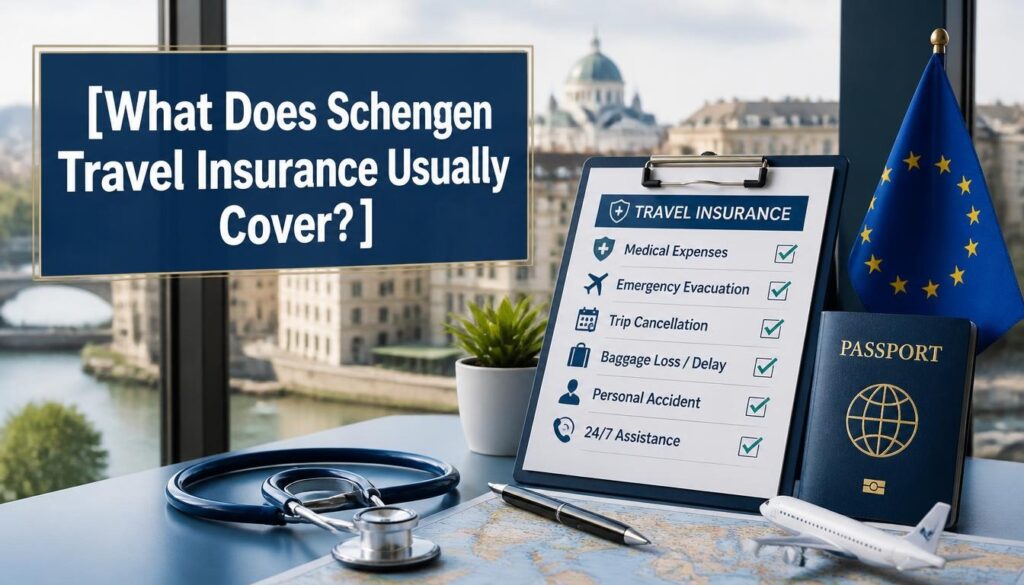
Different insurance companies offer different plans. However, many policies include similar types of protection.
Emergency Medical Treatment
This is the most important part of the policy. It usually helps pay for emergency medical care if you become ill or get injured during your trip.
Hospital Care
If you need to stay in a hospital, your insurance may help cover eligible hospital costs. However, the amount depends on your policy.
Emergency Medical Evacuation
Sometimes a traveler needs transportation to another hospital or even back home for medical reasons. Therefore, many policies include emergency medical evacuation.
Repatriation
Some plans also cover returning the traveler to their home country after a serious medical event. Coverage conditions may vary between providers.
Trip Cancellation
Some policies include trip cancellation benefits. For example, you may receive reimbursement for eligible prepaid expenses if you cancel for a covered reason.
Trip Interruption
If your trip ends earlier than planned because of an emergency, your insurance may help cover certain eligible costs.
Lost or Delayed Baggage
Many travel insurance plans also provide limited protection if your luggage is lost, stolen, or delayed.
Personal Liability
Some comprehensive policies include personal liability coverage. Therefore, they may help if you accidentally cause damage or injury during your trip.
Minimum Insurance Requirements for a Schengen Visa
If you need a Schengen visa, your insurance policy must usually meet certain basic requirements. Therefore, choosing the right policy is very important.
The insurance should generally provide medical coverage of at least the required minimum amount under current Schengen rules. Furthermore, it should cover emergency medical treatment and medical repatriation for the full length of your trip.
Always check the latest visa guidance before applying. Requirements may change over time, and different situations may need additional documents.
| Requirement | Typical Expectation |
| Medical emergency coverage | Required |
| Emergency hospitalization | Required |
| Medical repatriation | Required |
| Valid in Schengen countries | Required |
| Covers full travel period | Required |
Which Countries Are in the Schengen Area?

The Schengen Area allows travelers to move between participating countries without routine border checks. Therefore, one insurance policy generally covers your travel across all included countries if your policy says so.
Some popular Schengen destinations include:
- France
- Germany
- Italy
- Spain
- Portugal
- Belgium
- Netherlands
- Austria
- Switzerland
- Greece
- Finland
- Sweden
- Norway
- Denmark
- Czech Republic
- Poland
- Hungary
- Slovakia
- Slovenia
- Croatia
- Iceland
- Luxembourg
- Latvia
- Lithuania
- Estonia
- Malta
However, always confirm that your insurance policy is valid in every country you plan to visit. Some plans may also provide coverage outside the Schengen Area, while others may not.
How to Choose the Best Schengen Travel Insurance
Choosing travel insurance may seem confusing at first. However, it becomes much easier when you compare the right features instead of only looking at the price.
Check Medical Coverage
Medical protection should always be your first priority. Therefore, choose a policy that clearly meets Schengen requirements and provides enough emergency medical coverage for your trip.
Compare Policy Benefits
Next, compare the benefits offered by different providers. Some plans include baggage protection, trip cancellation, emergency assistance, and personal liability, while others offer only basic medical coverage.
Read the Exclusions
Every insurance policy has exclusions. Therefore, read the policy carefully before buying it. This helps you understand what is covered and what is not.
Look at the Claim Process
A simple claim process can save time during an emergency. Furthermore, many insurance companies now allow online claims, making the process easier for travelers.
Check Customer Support
Good customer support is very important when traveling abroad. Therefore, choose a provider that offers 24-hour emergency assistance if possible.
Compare the Total Value
The cheapest plan is not always the best. Instead, compare coverage, benefits, claim support, and policy limits before making your final decision.
How Much Does Schengen Travel Insurance Cost?
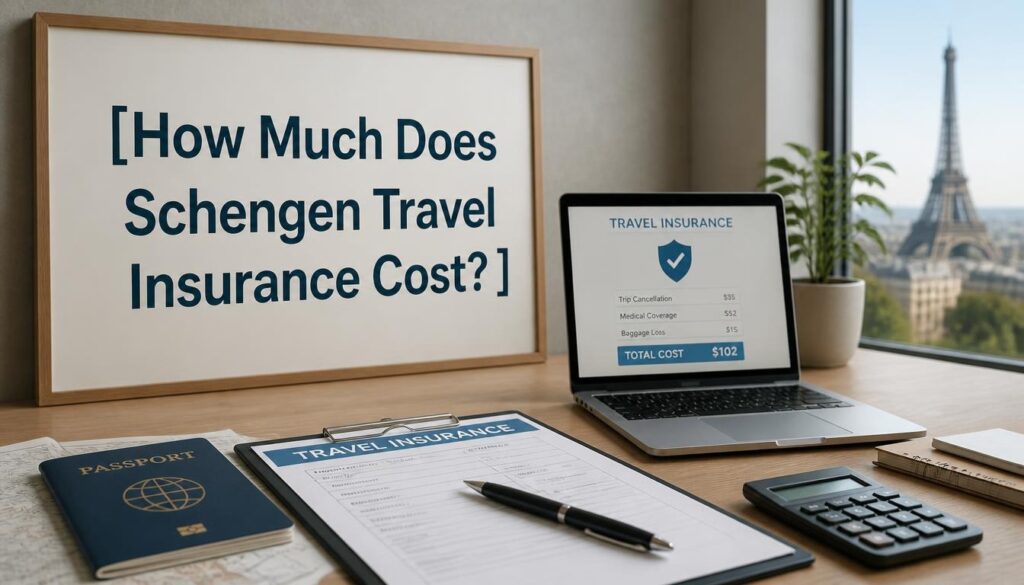
The cost of schengen travel insurance depends on several factors. However, price should never be your only concern. A good policy gives better protection and support if something unexpected happens.
First, your age can affect the cost. Older travelers may pay more because they often have a higher health risk. Likewise, the length of your trip also matters. A longer journey usually costs more than a short visit.
Furthermore, the amount of coverage can change the price. Plans with higher medical limits or extra benefits may cost more. However, they can also offer better value if you need help during your trip.
In addition, your destination and optional add-ons may affect the total cost. Always compare the full benefits before making your final choice.
| Factor | How It May Affect Cost |
| Traveler’s age | Older travelers may pay more |
| Trip length | Longer trips usually cost more |
| Coverage amount | Higher limits may increase the price |
| Extra benefits | More benefits may cost more |
| Destination | Some regions may affect pricing |
When Should You Buy Schengen Travel Insurance?
Buying insurance early is usually the best choice. Therefore, many travelers purchase it soon after booking their flights or vacation.
Early coverage may protect you if an unexpected event affects your travel plans before departure. However, every policy is different, so always read the policy details carefully.
If you need a Schengen visa, you should buy your insurance before submitting your visa application. Furthermore, make sure the policy covers your complete travel dates.
Do not wait until the last minute. As a result, you will have enough time to review your policy and fix any problems before your trip begins.
How to Compare Different Insurance Plans
Many companies offer travel insurance. However, not every policy gives the same level of protection.
Compare Medical Limits
First, check the emergency medical coverage. A higher limit may provide better financial protection if you need expensive treatment.
Check Emergency Assistance
Next, look for a company that offers 24-hour emergency help. This service can be very useful during an emergency in another country.
Review Covered Activities
Some travelers enjoy hiking, skiing, or cycling. Therefore, check whether your planned activities are covered before buying the policy.
Read Customer Reviews
Furthermore, reading reviews may help you understand how the company handles customer support and claims. However, always compare reviews from trusted sources.
Understand Policy Limits
Every insurance policy has limits. Therefore, read the coverage amounts carefully before making your decision.
How to Make an Insurance Claim
Making a claim is often easier than many first-time travelers expect. However, you should know the basic steps before your trip.
Contact the Insurance Company
First, contact your insurance provider as soon as possible after the emergency. Many companies offer phone numbers that work day and night.
Keep Important Documents
Next, save medical reports, bills, receipts, and travel documents. These papers help support your claim.
Complete the Claim Form
Most insurance companies now allow online claims. Therefore, fill out the required forms carefully and provide the requested documents.
Wait for the Review
After you submit your claim, the company reviews your information. Furthermore, they may ask for additional documents if needed.
Follow the Instructions
Always follow your provider’s instructions during the claim process. As a result, your claim may be processed more smoothly.
Helpful Tips for First-Time Travelers
Your first European trip should be exciting and comfortable. Therefore, a little planning can make a big difference.
First, keep both printed and digital copies of your insurance policy. This makes it easier to access your information if your phone battery dies.
Furthermore, save your insurance company’s emergency contact number before leaving home. Quick access can save valuable time during an emergency.
Also, carry your passport, travel documents, and insurance details in a safe place. Moreover, keep backup copies stored securely online if possible.
Drink enough water during long flights and get enough rest after arriving. As a result, you may feel better and enjoy your trip sooner.
Respect local laws and customs in every country you visit. Likewise, follow local health and safety advice throughout your journey.
Finally, review your insurance policy one last time before departure. Knowing your benefits helps you travel with greater confidence and peace of mind.
Is Schengen Travel Insurance Worth It?
For most travelers, the answer is yes. Medical care abroad can be expensive, and travel plans do not always go as expected.
Furthermore, insurance provides financial protection during unexpected situations. It may help with medical emergencies, trip interruptions, and other covered events depending on your policy.
Even experienced travelers buy travel insurance because emergencies can happen anywhere. Therefore, first-time travelers often benefit even more from having the right protection.
Instead of worrying about unexpected problems, you can spend more time enjoying Europe’s beautiful cities, rich history, famous museums, local food, and unforgettable experiences.
Frequently Asked Questions
Is schengen travel insurance required for every traveler?
Not always. Many travelers who need a Schengen visa must show valid travel insurance during the visa application process. However, visa-free visitors may not be required to buy it. Even so, having insurance is strongly recommended because it can help protect you from unexpected medical costs and other covered travel problems.
How long should my insurance policy be valid?
Your insurance should generally cover your entire trip. Therefore, the policy should start on the day you leave and end after your journey is complete. If your travel dates change, check whether your policy also needs to be updated.
Can one policy cover several Schengen countries?
Yes. Most policies are designed to cover travel across the Schengen Area. However, always read the policy carefully to make sure every country on your travel plan is included before you purchase the insurance.
Does schengen travel insurance cover pre-existing medical conditions?
Some policies may provide limited coverage for certain pre-existing medical conditions, while others may not. Therefore, read the policy wording carefully and contact the insurance provider if you have questions before buying your plan.
What should I do if I become sick during my trip?
First, contact your insurance company’s emergency assistance service if your policy provides one. Next, visit a doctor or hospital when needed and keep all medical reports, receipts, and invoices because they may be required during the claims process.
Can I extend my insurance if my trip becomes longer?
Many insurance companies allow policy extensions if you request them before your current policy expires. However, this depends on the provider and the policy terms. Therefore, contact your insurer as soon as your travel plans change.
How do I choose the best schengen travel insurance policy?
Compare medical coverage, emergency assistance, policy limits, claim procedures, customer reviews, and overall value instead of only looking at the lowest price. Furthermore, make sure the policy meets current Schengen insurance requirements if you need a visa.
Also Read;
Best Time to Visit Switzerland for First-Time Travellers
Things to Do in Dubai at Night: Best Places to Visit
Conclusion
Planning your first European vacation becomes much easier when you understand how travel insurance works. Therefore, taking time to compare different policies can help you choose coverage that fits your travel plans and budget. A good policy may protect you during medical emergencies, travel delays, and other covered situations. Furthermore, it gives you greater confidence while exploring new places because you know you have support if something unexpected happens. Choosing the right schengen travel insurance before your journey is one of the smartest steps you can take for a safer and more enjoyable trip.
Finally, remember that every traveler has different needs, so there is no single policy that fits everyone. Read the policy details carefully, compare benefits, and make sure your insurance remains valid for your full travel period. Moreover, keep your insurance documents with you throughout your journey and know how to contact your provider if you need assistance. With careful planning and the right protection, you can focus on enjoying Europe’s beautiful cities, historic landmarks, local culture, and unforgettable experiences instead of worrying about unexpected travel problems.
