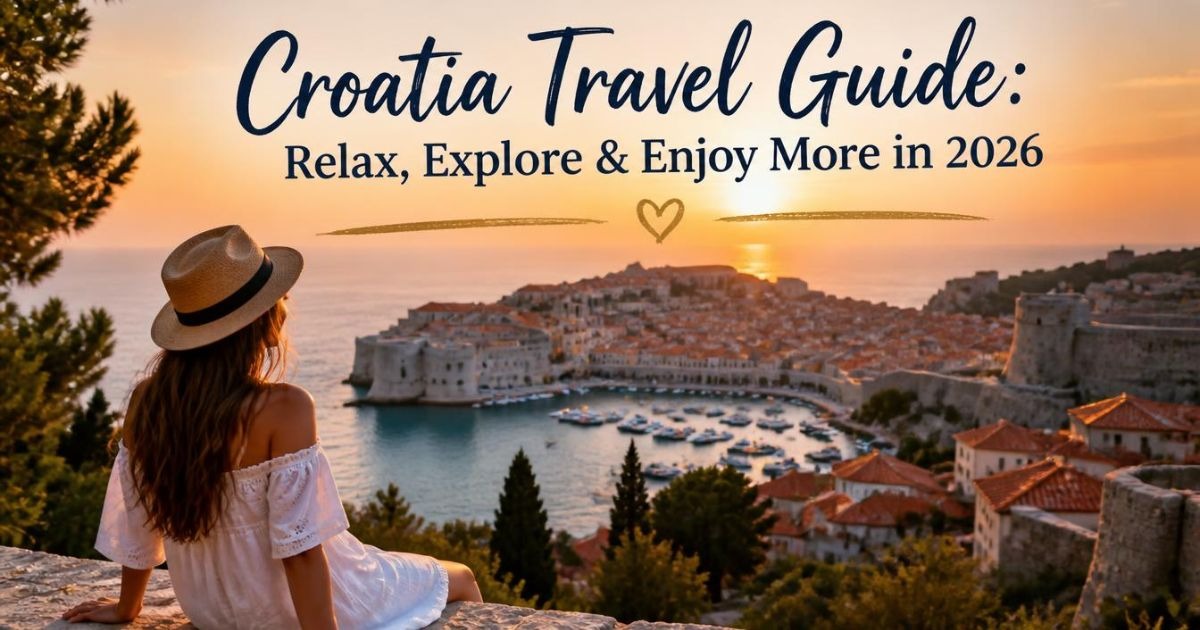
Croatia Travel Guide planning is a great way to discover a country that combines sunny Adriatic beaches, historic old towns, beautiful islands, national parks, local food, and exciting outdoor activities. Croatia can work well for a relaxing beach holiday, a romantic escape, a family trip, or an active adventure. You can spend your mornings exploring ancient streets, your afternoons swimming in clear water, and your evenings enjoying seafood at a waterfront restaurant. Croatia also offers different travel styles across its regions, from the lively Dalmatian coast to peaceful Austrian towns and the capital city of Zagreb.
With a good Croatia Travel Guide, you can avoid trying to see everything in one trip. Instead, choose destinations that match your interests and travel time. Dubrovnik is ideal for history and dramatic coastal views, Split is a strong base for island trips, Var is known for its island atmosphere, Zagreb offers city culture and cafes, and Stria is a good choice for food, wine, and charming hill towns. Nature lovers can also consider Croatia’s national parks and outdoor areas. The key is to create a realistic route that gives you enough time to enjoy each place instead of constantly packing and unpacking.
Croatia Travel Guide: Quick Facts for Your Trip
| Travel Detail | What to Know |
| Country | Croatia |
| Capital | Zagreb |
| Currency | Euro (€) |
| Main coast | Adriatic Sea |
| Best for | Beaches, islands, history, food, nature |
| Popular cities | Dubrovnik, Split, Zagreb, Zadar |
| Popular islands | Hvar, Korčula, Vis |
| Best travel periods | May–June and September are often comfortable choices |
| Summer | Warm, busy, and popular |
| Transport | Buses, ferries, cars, flights |
| Entry area | Croatia is part of the Schengen Area |
| Language | Croatian |
This Croatia Travel Guide is based on the main travel information and destinations that matter most for planning a 2026 trip. However, transport schedules, entry requirements, park access, and other time-sensitive details can change. Always check official sources shortly before departure, especially if your itinerary depends on a ferry, national park visit, or border crossing.
Croatia Travel Guide: Best Places to Visit
Croatia Travel Guide: Split
Croatia Travel Guide planning a trip should consider Split if you want history, beaches, restaurants, nightlife, and easy access to nearby islands. The historic centre is built around Diocletian’s Palace, making the city feel like a living part of Croatia’s history. You can walk through old streets, visit historic landmarks, relax along the waterfront, and enjoy a meal near the centre.
Split is also useful as a base for exploring the Dalmatian coast. From here, travelers can plan trips toward islands and coastal destinations. If you have only a few days, staying in Split and adding one island can be more enjoyable than trying to visit several places.
Croatia Travel Guide: Dubrovnik
A Croatia Travel Guide would not be complete without Dubrovnik. Its famous Old Town, stone walls, sea views, and historic architecture make it one of the country’s most recognizable destinations. Walking around the old city is the main attraction, but you can also take a cable car for wider views or enjoy time near the water.
Dubrovnik can become very busy during the main summer season. Therefore, an early morning walk through the Old Town can be a better experience than visiting during the busiest part of the day. Booking accommodation and major activities ahead of time is also smart during peak periods.
Croatia Travel Guide: Hvar
For travelers who want beaches, island scenery, boat trips, and a lively atmosphere, Croatia Travel Guide planning can include Hvar. Hvar Island offers a mix of historic streets, coastal views, swimming spots, and restaurants. Hvar Town is the best-known base, but exploring beyond the main town can give you a quieter island experience.
Hvar is especially attractive during warmer months. If you prefer peace and lower seasonal pressure, consider visiting outside the busiest summer weeks. A few nights on the island can work well as part of a longer Dalmatian itinerary.
Croatia Travel Guide: Zagreb
A Croatia Travel Guide should also give Zagreb attention because the capital provides a different side of the country. Instead of focusing mainly on beaches, Zagreb offers museums, historic streets, cafés, markets, parks, and local city life. The Upper Town is a good area for walking, while Ilica and surrounding streets provide plenty of places to stop for coffee or food.
Zagreb can be useful at the beginning or end of a Croatia trip, particularly if your international flight connects through the capital. It also works well for travelers who want to experience Croatian culture beyond the coast.
Croatia Travel Guide: Plitvice Lakes
Nature lovers should consider Plitvice Lakes when using a Croatia Travel Guide to build their itinerary. The area is famous for its lakes, waterfalls, forests, and walking routes. It can be a memorable change of pace after several days on the coast.
However, park conditions and access can change. At the time of checking this Croatia Travel Guide, the official Plitvice Lakes website was displaying a closure alert, so travelers should check the official status before making plans.
Croatia Travel Guide: Istria
If food, wine, countryside scenery, and charming towns are important to you, include Istria in your Croatia Travel Guide plans. Rovinj is one of the region’s popular coastal destinations, while inland Istria offers small hilltop towns and a slower pace.
Istria can be a good choice for couples, food lovers, and travelers who want something different from the busier Dalmatian coast. You can combine sightseeing with local restaurants and relaxed countryside drives.
Croatia Travel Guide: Zadar
A Croatia Travel Guide can include Zadar for travelers looking for history and a more relaxed coastal atmosphere. The Old Town has historic sights and waterfront areas, while the famous Sea Organ and Greeting to the Sun add something different to an evening walk.
Zadar also works well as part of a northern Dalmatian road trip. Its location can make it a practical stop between other destinations.
Croatia Travel Guide: Šibenik
Šibenik is another useful destination for a Croatia Travel Guide, especially if you prefer historic towns without spending your entire trip in the busiest tourist centers. Its old streets, waterfront setting, and nearby natural attractions make it a worthwhile stop.
You can combine Šibenik with nearby coastal destinations and national parks. This makes it a practical option for travelers building a road trip along the Adriatic.
Croatia Travel Guide: Which Region Should You Choose?
The best destination depends on what you want from your holiday. This Croatia Travel Guide comparison can help you choose quickly.
| Your Travel Style | Best Choice | Why |
| First Croatia trip | Split + Dubrovnik | Great mix of history and coast |
| Beaches and islands | Hvar | Island scenery and swimming |
| History | Dubrovnik | Famous old city and walls |
| City break | Zagreb | Culture, cafés, parks, museums |
| Nature | Plitvice area | Lakes, waterfalls, and forests |
| Food and wine | Istria | Local food and countryside |
| Relaxed coast | Zadar | History and waterfront atmosphere |
| Road trip | Dalmatian Coast | Many scenic stops |
Croatia Travel Guide: Best Things to Do
Croatia Travel Guide: Explore Historic Old Towns
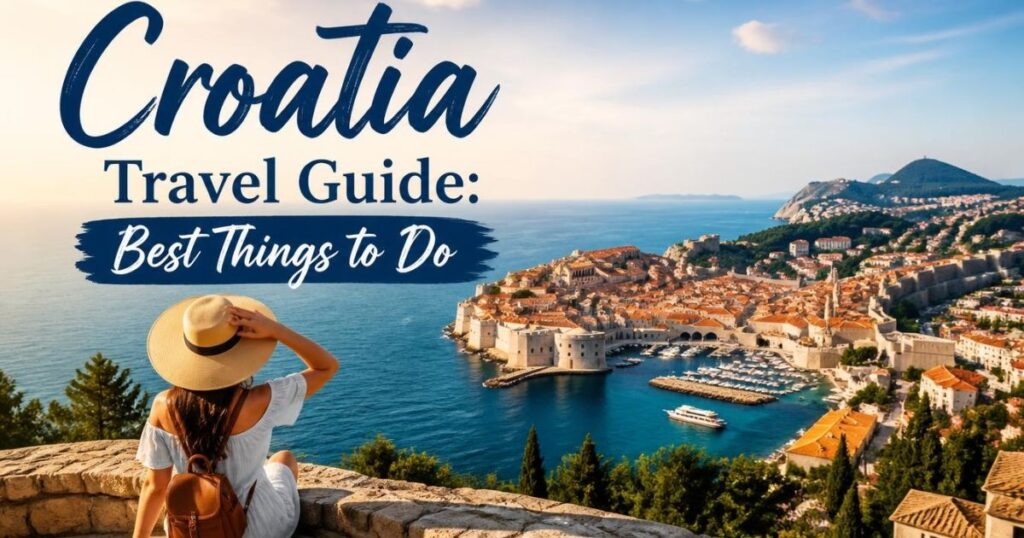
Walking through historic streets is one of the easiest ways to enjoy a Croatia Travel Guide itinerary. Dubrovnik, Split, Zadar, Šibenik, and Zagreb all offer different city experiences. Take your time instead of rushing from one landmark to another.
Morning walks are especially enjoyable in popular coastal cities because the streets can be quieter. You can then spend the afternoon at the beach or continue sightseeing when the temperature is more comfortable.
Croatia Travel Guide: Enjoy the Adriatic Sea
The Adriatic coast is one of the biggest reasons people use a Croatia Travel Guide when planning a holiday. Swimming, beach time, boat trips, kayaking, sailing, and island visits can all be part of your trip.
Not every beach is a wide sandy beach. Many Croatian coastal areas have rocky or pebble shores, so comfortable water shoes can be useful. A quick check of the beach type before booking accommodation can prevent disappointment.
Croatia Travel Guide: Try Island Hopping
Island hopping can make a Croatia Travel Guide itinerary exciting, but it should be planned carefully. Hvar, Korčula, and Vis are popular options, while many smaller islands offer quieter experiences.
Avoid changing islands every day. A better plan is usually to stay several nights in one location and take a day trip when possible. This gives you more time to swim, eat, explore, and relax.
Croatia Travel Guide: Taste Croatian Food
Food is another important part of a Croatia Travel Guide experience. Along the coast, seafood is a natural choice, while different regions offer their own traditional dishes and ingredients.
Try local seafood, grilled dishes, regional cheeses, olive oil, fresh produce, and traditional desserts when available. If you visit Istria, look for regional food experiences that highlight local ingredients.
Croatia Travel Guide: Enjoy Outdoor Adventures
For active travelers, a Croatia Travel Guide can include hiking, kayaking, cycling, sailing, swimming, and boat excursions. The country offers many opportunities to spend time outdoors.
Choose activities based on the season and your fitness level. During hot summer days, early-morning outdoor activities are often more comfortable than long midday hikes.
Croatia Travel Guide: When Is the Best Time to Visit?
The best time depends on your priorities. This Croatia Travel Guide recommends considering late spring and early autumn if you want a balance between pleasant weather and a more relaxed travel experience.
Croatia Travel Guide: May and June
May and June can be excellent for travelers who want coastal sightseeing, outdoor activities, and generally milder conditions than the height of summer. The sea and weather can vary, so check the forecast before planning water activities.
Croatia Travel Guide: July and August
July and August are the busiest summer months in many popular destinations. They are attractive for beach holidays and island trips, but crowds and accommodation demand can be higher.
If you travel during these months, book accommodation and important transport early. Plan popular sightseeing for mornings and leave some flexible time in your schedule.
Croatia Travel Guide: September
September can be a strong choice for a Croatia Travel Guide itinerary because summer conditions can continue while the peak season begins to ease. It can be especially appealing for travelers who want a combination of swimming, sightseeing, and relaxed evenings.
Croatia Travel Guide: October to April
The cooler months offer a different experience. Some coastal businesses and seasonal services may operate on reduced schedules, while Zagreb and other cities can still provide cultural experiences.
If your main goal is swimming and island hopping, the warmer season is generally more suitable. For city sightseeing and a quieter atmosphere, the cooler months may work better.
Croatia Travel Guide: How Many Days Do You Need?
A Croatia Travel Guide itinerary should match your available time instead of forcing too many destinations into one trip.
| Trip Length | Suggested Plan |
| 3–4 days | Choose one main city, such as Split or Dubrovnik |
| 5–6 days | Split + one island or Dubrovnik + nearby areas |
| 7 days | Split + Hvar + Dubrovnik |
| 10 days | Add Zadar, Šibenik, another island, or Istria |
| 14 days | Combine several regions at a slower pace |
For a first visit, seven to ten days can provide a useful balance between major sights and relaxation. Within two weeks, you can slow down and include more regional variety.
Croatia Travel Guide: How to Get Around
Transport planning is one of the most important parts of a Croatia Travel Guide, especially when your route includes islands.
Croatia Travel Guide: By Car
A rental car can be useful for road trips, inland towns, and places that are harder to reach by public transport. It gives you more flexibility but also means you need to consider parking, driving time, and road conditions.
Do not assume that a short distance on a map means a quick journey. Coastal roads can be slower than expected, particularly during busy periods.
Croatia Travel Guide: By Ferry
Ferries are essential for many island itineraries. Jadrolinija operates ferry and catamaran services, but schedules can change, especially because of weather, operational issues, or seasonal changes. Always check the latest schedule before traveling.
A smart Croatia Travel Guide plan should leave some flexibility around ferry connections. If missing one ferry would ruin your entire itinerary, your schedule is probably too tight.
Croatia Travel Guide: By Bus
Buses connect many Croatian cities and can be a practical choice for travelers who do not want to rent a car. Compare travel times and departure points before booking.
Croatia Travel Guide: By Plane
Domestic flights can save time on longer routes, although they may not always be the simplest choice for a short trip. Compare the total journey, including airport transfers and waiting time.
Croatia Travel Guide: What Does a Croatia Trip Cost?
Your budget depends on the season, accommodation type, transport, and activities. A Croatia Travel Guide should therefore focus on spending patterns rather than promising one fixed daily price.
| Budget Area | Ways to Save |
| Accommodation | Stay slightly outside the busiest centers |
| Food | Mix restaurants with bakeries and casual local meals |
| Transport | Compare buses, ferries, and car rental |
| Activities | Add free walks, beaches, and public viewpoints |
| Islands | Stay longer in fewer places |
| Summer travel | Book earlier to improve your choices |
Popular coastal destinations can become more expensive during peak summer. Traveling in a shoulder season and booking early can help you manage costs.
Croatia Travel Guide: Where Should You Stay?
Choosing the right location can make a major difference to your Croatia Travel Guide experience. Staying inside a historic center can save sightseeing time, but it may also mean higher prices and more noise.
For a beach-focused holiday, choose accommodation close to the coast. For sightseeing, staying within walking distance of the historic center can be more convenient. Families may prefer quieter neighborhoods with easier access and larger rooms.
Couples often enjoy smaller coastal properties or boutique accommodation, while solo travelers may prefer central areas with easy public transport and restaurants nearby.
Croatia Travel Guide: A Simple 7-Day Itinerary
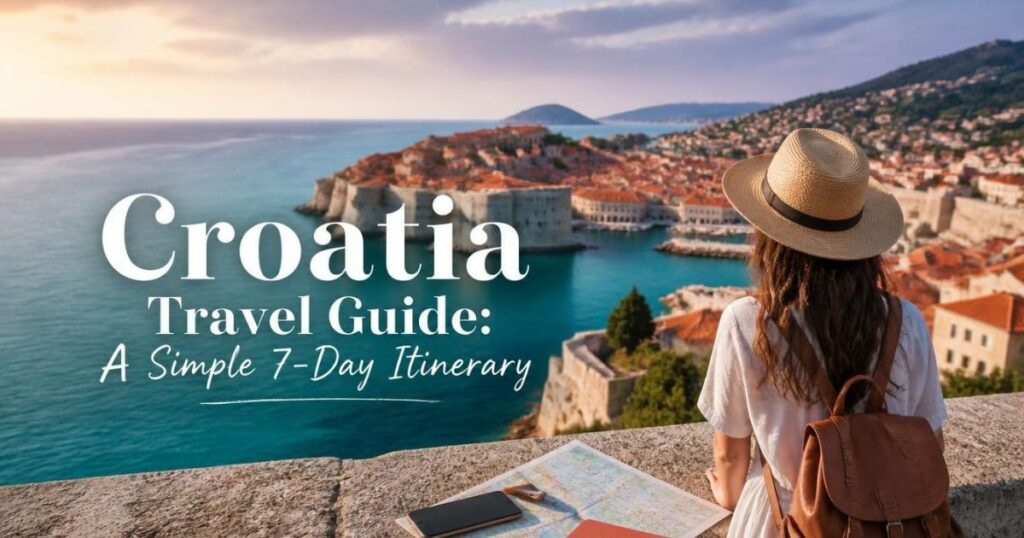
A practical Croatia Travel Guide itinerary should leave enough time to enjoy each destination.
| Day | Destination | Main Experience |
| Day 1 | Split | Old Town and waterfront |
| Day 2 | Split | Historic sights and relaxed evening |
| Day 3 | Hvar | Island transfer and town exploration |
| Day 4 | Hvar | Beach or boat day |
| Day 5 | Dubrovnik | Travel to Dubrovnik |
| Day 6 | Dubrovnik | Old Town and city walls |
| Day 7 | Dubrovnik | Relax and depart |
This route is only a starting point. Transport schedules should be checked before booking, and you may want to remove one destination if you prefer a slower holiday.
Croatia Travel Guide: Is Croatia Good for Families?
Croatia can be a good family destination when the itinerary is planned around realistic travel times. A family-focused Croatia Travel Guide should avoid moving hotels every night.
Choose accommodation with convenient access to food, beaches, and transport. Short boat trips, swimming, historic walks, and easy outdoor activities can keep different age groups interested.
Families should also consider heat during the summer. Carry water, plan breaks, and avoid scheduling long outdoor activities during the hottest part of the day.
Croatia Travel Guide: Is Croatia Good for Couples?
Croatia can be an excellent choice for couples who want a mix of scenery, food, history, and relaxation. A romantic Croatia Travel Guide can include sunset walks, island stays, waterfront dinners, scenic boat trips, and quiet coastal towns.
Instead of trying to visit many places, couples may enjoy staying two or three nights in each destination. This creates more time for slow mornings and unplanned discoveries.
Croatia Travel Guide: Visa and Entry Information
Croatia is part of the Schengen Area. For eligible third-country nationals, short stays are generally limited to 90 days in any 180-day period, subject to the traveler’s nationality, visa status, and applicable entry conditions. Always check the latest official requirements before traveling.
The official Croatian Ministry of Interior provides current information about entry conditions and border procedures. This Croatia Travel Guide recommends checking the official government information rather than relying on an old blog post or social media comment.
Travelers should also be aware of the Entry/Exit System, or EES, which digitally records certain border crossings for eligible non-EU travelers. Because implementation and procedures can change, check the latest official information before departure.
Croatia Travel Guide: Common Mistakes to Avoid
One common mistake is trying to visit too many islands. A Croatia Travel Guide itinerary becomes stressful when every day depends on catching another ferry.
Another mistake is visiting only the most famous places. Dubrovnik and Split are worth seeing, but adding a less crowded destination can make the trip feel more varied.
Do not forget to check seasonal schedules. Ferries, attractions, restaurants, and other services can operate differently outside the main tourist season.
Finally, do not underestimate travel time. A route that looks simple on Google Maps can take much longer once traffic, ferry connections, parking, and transfers are included.
Croatia Travel Guide: Tips for a Better Trip
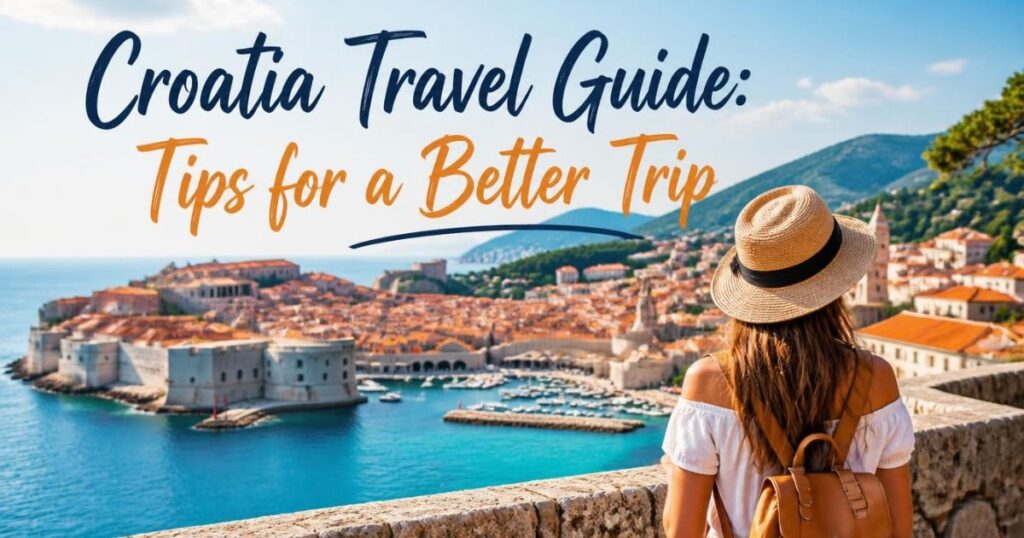
A useful Croatia Travel Guide starts with a flexible plan. Book the important parts of your trip, but avoid filling every hour with activities.
Wear comfortable shoes because many historic centers have stone streets and walking routes. Keep sun protection and water with you during warmer months.
If you are visiting islands, check ferry information regularly. Weather and operational changes can affect your plans, so having a backup option is helpful.
For popular destinations, start sightseeing early. You can explore major attractions before the busiest period and then enjoy a slower afternoon by the sea.
Frequently Asked Questions
Which is nicer, Split or Dubrovnik?
Both Split and Dubrovnik are beautiful, but they offer different experiences. Dubrovnik is better if you want stunning old-city views, historic walls, beautiful sea views, and a romantic atmosphere. Split is a better choice if you want beaches, nightlife, island trips, and a more relaxed local feel. Split is also generally more affordable than Dubrovnik.
Is Croatia cheap or expensive?
Croatia is moderately expensive, especially during the busy summer months. Dubrovnik is usually one of the most expensive places, while Split and smaller Croatian cities can offer better value. For a comfortable mid-range trip, travelers can expect to spend roughly €100–€150 per person per day, depending on accommodation, food, and activities.
Is Croatia prettier than Italy?
Croatia and Italy are both incredibly beautiful, so the answer depends on your travel style. Croatia is famous for its clear Adriatic waters, beautiful islands, dramatic coastlines, waterfalls, and charming old towns. Italy offers a wider variety of famous cities, art, architecture, food, and historical attractions. If you love beaches and peaceful coastal scenery, Croatia may feel prettier to you.
Which city in Croatia is the best to stay in?
Split is one of the best cities to stay in Croatia, especially for first-time visitors. It has historic attractions such as Diocletian’s Palace, beaches, restaurants, nightlife, and easy ferry connections to nearby islands.
However, Dubrovnik is an excellent choice for a short romantic trip or if you mainly want to explore its famous Old Town and city walls. For a longer trip, Split often gives travelers more variety and flexibility.
Is it safe for Americans to travel to Croatia right now?
Yes. Croatia is generally considered safe for American travelers. The U.S. Department of State currently lists Croatia at Level 1: Exercise Normal Precautions, which is its lowest travel advisory level. Travelers should still follow normal safety practices, watch their belongings in crowded tourist areas, and check official travel guidance before leaving.
Conclusion
A well-planned Croatia Travel Guide can help you enjoy Croatia without making your holiday feel rushed or stressful. From the historic streets of Dubrovnik and Split to the beautiful islands, peaceful coastal towns, and natural landscapes, Croatia offers something for almost every type of traveller. You can spend your days exploring old cities, relaxing beside the Adriatic Sea, tasting local food, or enjoying outdoor adventures.
For a memorable 2026 trip, use this Croatia Travel Guide to plan your route, choose the right season, check transport schedules, and prepare for current entry requirements before you travel. Whether you want a relaxing beach holiday, a romantic island escape, a family adventure, or an exciting road trip, Croatia gives you plenty of options. With smart planning and a flexible itinerary, your Croatia vacation can become a beautiful experience filled with stunning views, rich history, delicious food, and unforgettable memories.
