
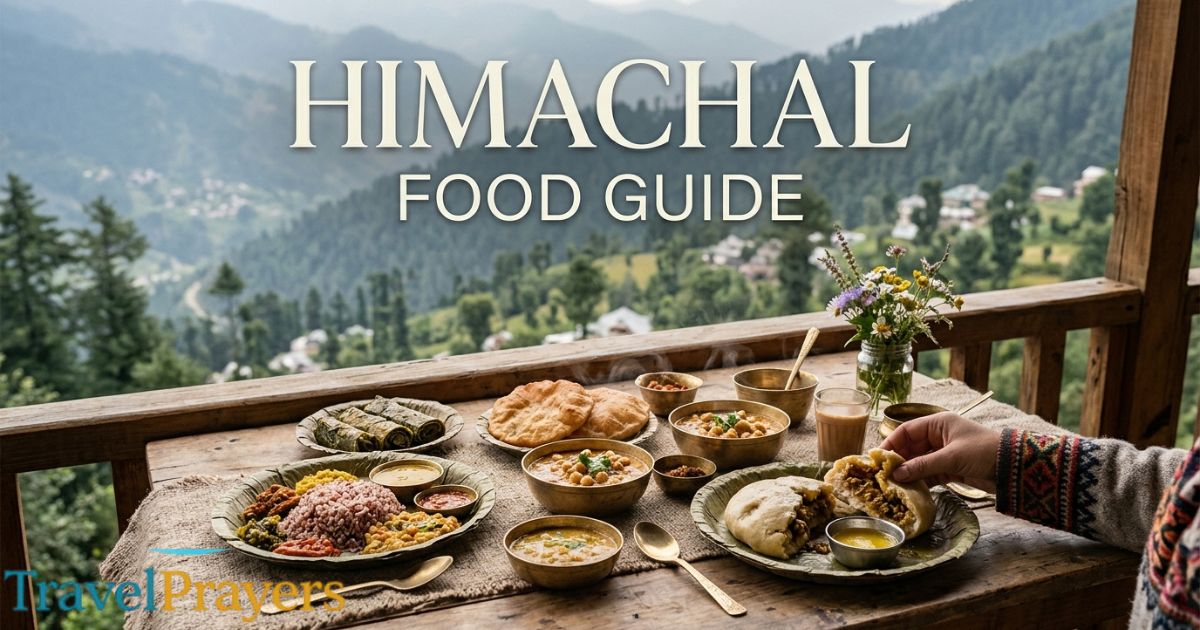
Start with siddu in Kullu, Mandi or Shimla, a steamed wheat bread eaten with ghee. Eat a dham feast if a host or restaurant offers one, and order Kullu trout in Manali. Look for momos, thukpa and butter tea in McLeod Ganj and Bir. Himachali food changes from valley to valley because each district uses its own grains, lentils, dairy and wild produce.
This Himachal food guide covers the dishes worth planning a meal around and the drinks that follow the seasons. It also covers the towns where each food scene shines, plus costs, vegetarian options, water safety and common mistakes. You will know what to order before you reach the menu.
Quick Answer (What Should You Try First)
If you only have a few meals, eat these in this order:
- Siddu with ghee, the easiest local dish to find in the Kullu–Mandi–Shimla belt.
- A dham meal or Himachali thali, for the full regional flavor.
- Trout in Manali or Kullu, if you eat fish.
- Babru with chutney, a street-style snack in the Shimla–Kullu region.
- Momos and thukpa in McLeod Ganj, Bir or Kasol.
The two dishes people name most often as Himachal’s signature foods are siddu and dham. The state’s own tourism site calls siddu one of the most popular dishes in Himachal. Dham is the festive meal that defines celebrations across the hills.
| Dish | What it is | Where to look | Veg? |
| Siddu | Steamed wheat bread with a filling, eaten with ghee | Kullu, Mandi, Shimla | Veg |
| Dham | Multi-course feast on a leaf plate | Homes, events, some restaurants | Veg (traditionally) |
| Babru | Deep-fried bread stuffed with black gram | Shimla, Kullu, Mandi | Veg |
| Tudkiya Bhath | Spiced rice with lentils and potato | Chamba, Lahaul-Spiti, other districts | Usually veg |
| Bhey | Lotus stem preparation | Mandi–Kullu belt | Veg |
| Kullu trout | Marinated river fish, lightly spiced | Manali, Kullu | Non-veg |
| Chha Gosht | Lamb in a gram-flour and yogurt gravy | Shimla, Mandi, other towns | Non-veg |
The Food Culture of Himachal
Mountain life shaped this cuisine. Fresh vegetables were once hard to get through long winters, so many traditional dishes rely on lentils, beans, grains and dairy. Mustard oil, yogurt, ghee and slow cooking give the food its depth. Dishes tend to taste hearty and warm rather than sharply spicy.
The food also shifts with altitude and culture. In Lahaul, Spiti and Kinnaur, the Himachal Tourism cuisine page describes a clear Tibetan influence, with dishes built on locally grown buckwheat, millet and barley. Lower valleys such as Kangra, Chamba and Bilaspur have their own versions of dham. In towns with large Tibetan communities, such as McLeod Ganj and Bir, Tibetan staples now sit next to Himachali ones.
Beyond Siddu: Local Dishes You Shouldn’t Miss
Siddu (Local Bread)
Siddu is a steamed bread made from wheat flour and yeast. Cooks often stuff it with fillings such as poppy seeds, walnuts or lentils. Locals tear it open and dip it in ghee. You will find it in Kullu, Mandi and Shimla, often at small roadside stalls. Eat it hot, because it turns dense as it cools.
Dham (Festive Thali)
Dham is the traditional meal for weddings, festivals and temple events. Hereditary cooks called botis prepare it, and guests sit in rows on the floor. Servers bring the food in courses on leaf plates called pattals. A typical dham begins with rice, then moves through madra (a yogurt-based pulse curry), dal, a tangy khatta and ends with sweet rice. Traditional dham usually skips meat, and many versions skip onion and garlic too.
Each district has its own style. Chamba is known for rajma madra, while Kangra and Bilaspur have their own sequences and dals. Tourists rarely get invited to a village dham, but some restaurants and homestays serve a Himachali thali built on the same dishes.
Babru (Shimla & Kullu Region)
Babru looks like a kachori. Cooks fill wheat dough with spiced black gram and deep-fry it. Locals eat it with tamarind or mint chutney, often at breakfast or with tea. It works well as a first taste of Himachali street food, and it is easy to find in Shimla’s bazaars and in Kullu.
Tudkiya Bhath (Mandi Region)
Tudkiya Bhath is a rice dish cooked with lentils, potatoes, onion, ginger, garlic and yogurt, then spiced with cardamom, cinnamon and bay leaf. Sources link it with Lahaul-Spiti and with Chamba, and you can find it in many districts, including around Mandi. People usually serve it with mashed dal. It tastes close to a pulao but feels heavier and more rustic.
Bhey (Lotus Stem Dish)
Bhey is a lotus stem dish from the Mandi–Kullu belt. Cooks slice the stem and fry it or cook it in a spiced curry, which gives it a crunchy bite. It is less common on tourist menus, so ask local eateries and homestays whether they have it.
Kullu Trout
Trout is the signature fish of the Kullu region. Cooks marinate it and cook it lightly, often in mustard oil, so the flavor of the fish stays clear. In Manali, restaurants serve it fried, baked or in sauces. Johnson’s Café on the Old Manali side is the best-known stop and lists several trout preparations.
Chha Gosht
Chha Gosht is a lamb dish. Cooks marinate the meat in a gravy of gram flour and yogurt, then spice it with cardamom, red chili, coriander, bay leaf and asafoetida. It is richer and smoother than a typical North Indian lamb curry. Meat eaters can find it in Shimla, Mandi and other towns, though it sits outside the traditional vegetarian dham.
More to Look For
Madra (a yogurt-based curry with chickpeas or rajma), sepu vadi (lentil dumplings in gravy) and mittha (sweet rice with raisins and dry fruit) all appear in dham and on thalis. Patande, a Himachali pancake, shows up in the Sirmaur area.
Local Drinks & Seasonal Flavors
Buransh (Rhododendron Juice)
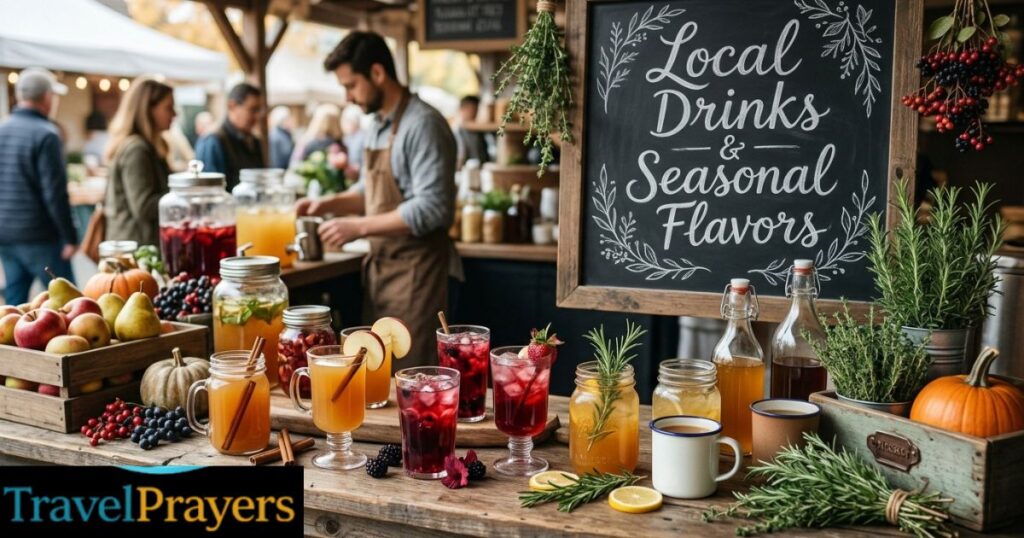
Buransh is the local name for the rhododendron, the state tree. Cooks soak and press the petals, then balance the tangy juice with sugar or honey. Fresh juice tastes slightly sour, while bottled squash tastes sweeter. The trees bloom in spring, mostly March to April, and the season depends on temperature. Fresh juice appears only then, but shops sell squash for much longer.
Butter Tea
Butter tea is a salty, buttery tea that cooks churn with salt and butter. The Himachal Tourism page notes it as a staple in higher regions, where it is called thang in Kinnaur and Spiti. You will also find it at Tibetan cafés in McLeod Ganj and Bir. The taste surprises first-time drinkers, so order a small cup first.
Local Fruit Wines
Himachal grows apples in districts such as Shimla, Kullu and Kinnaur, and apricots in higher areas. Fruit wines and ciders use that produce. Alcohol rules and sales vary by place, so buy only from licensed shops. Skip unlabeled bottles sold informally, because you cannot check what is inside.
Wild & Seasonal Ingredients
Many valleys cook with ingredients that come from forests and fields. Look for lingri (fiddlehead fern) in Tirthan Valley, gucchi (morel mushrooms) in mattar dishes, and kaddu ka khatta (a sweet-sour pumpkin dish) in dham. Buransh petals also go into chutney. Menus in tourist towns rarely list these, so ask at homestays and village eateries.
Café Culture in Himachal (Modern Food Scene)
Kasol & Parvati Valley
Kasol grew into a backpacker hub, and many cafés serve Israeli-style food. Shakshuka, falafel, hummus and pita appear on menus alongside momos and thukpa. Riverside seating along the Parvati is the main draw. Villages such as Chalal and Tosh also have view-focused cafés. Menus here lean international, so Himachali dishes take more effort to find.
Manali & Old Manali
Manali splits into two food scenes. Mall Road has North Indian restaurants that serve family crowds and honeymooners. Old Manali has smaller cafés with Italian, continental and Israeli food, plus trout on many menus. Many places have live music in the evening.
Dharamshala & McLeod Ganj
McLeod Ganj is the best place in the state for Tibetan food. Expect momos, thukpa, thenthuk, tingmo and butter tea. Jogiwara Road has small family-run places alongside larger restaurants. The town also has a strong vegetarian dining culture, plus rooftop cafés with views of the Dhauladhar range.
Top Cafés & Eating Spots in Himachal (By Destination)
Cafés open, close and change owners often, so treat these as starting points and check recent reviews before you go.
Shimla
- Indian Coffee House, Mall Road: an old-style coffee house that locals have used for decades. Order coffee and a simple snack.
- Baljees, Mall Road: a long-running restaurant that visitors often visit for Himachali dishes and sweets.
- Cafe Under Tree, near Jakhu Temple: a smaller spot reviewers praise for its setting.
Manali
- Johnson’s Café: the trout stop on the Old Manali side. Listings show prices from about ₹500 to ₹1,200 for two, so check before you go.
- Dylan’s Toasted & Roasted Coffee House: a small coffee and dessert stop on the Old Manali road.
Kasol
Kasol’s cafés change often. Pick by menu and river view. Try shakshuka or falafel for the Israeli influence, and order thukpa when the weather is cold.
McLeod Ganj
- Tibet Kitchen: a popular choice for momos, thukpa and butter tea.
- Moonpeak Espresso: a coffee and cake stop with a relaxed feel.
Bir Billing
- Garden Café: one of the oldest cafés in Bir and known for pancakes.
- Nyin gma Tibetan eateries: the Tibetan Colony, near Chokling Monastery, has small family-run places for momos, then thuk and butter tea.
- Emaho Café: often named for Tibetan food.
Where to Try Authentic Himachali Food
Authentic Himachali food rarely sits on café menus. These routes work better:
- Homestays. Ask your host to cook a local meal and tell them a day ahead. Many valleys, such as Tirthan, have hosts who cook with local produce.
- Dhabas and village eateries. Look for thalis with rajma, dal, rice and kadhi. Siddu and Babru show up here first.
- Himachali thali listings. Some restaurants in Shimla, Mandi and Kullu offer a dham-style thali. Ask what comes with it.
- Seasonal timing. Buransh juice appears in spring, and apples and fruit products fill markets in autumn.
The Incredible India food guide for Himachal lists more local dishes and street foods. Pair a food trip with the outdoors too. Our Hampta Pass trek guide covers a route that starts near Manali, where many food stops sit.
What the Food Experience Actually Feels Like
Meals here run slower than in cities. A thali comes in stages, tea arrives with everything, and a stop at a dhaba can turn into a long rest. In cold months, hot food matters more than fancy plating, so steaming siddu, thukpa and butter tea suit the mood. Food at altitude also tastes heavier and richer than you may expect. Your appetite often grows after a day of walking or driving.
What Most Travelers Get Wrong
Travelers often make these mistakes:
- Eating only at cafés. Cafés serve good food, but most skip the regional dishes. Add at least one dhaba or homestay meal.
- Expecting dham everywhere. Dham belongs to celebrations. Restaurants sell a thali version, which is similar but not the same.
- Calling momos Himachali. Momos came with the Tibetan community. They are now a big part of the food scene, but they are not a traditional Himachali dish.
- Ignoring seasons. Buransh juice, wild greens and fresh fruit depend on the time of year.
- Waiting too long to eat in remote areas. Kitchens in villages and high-altitude stops can close early, so eat when you can.
Real Food Insights Travelers Often Miss
Dham follows a set order, and cooks serve rice more than once. The mix of tangy khatta and rich madra balances the meal. Madra is also a style of cooking, not one dish. Each district has its own version of dham, so a Kangra meal tastes different from one in Chamba. Tibetan food also has a history here, because Tibetan communities settled in towns such as McLeod Ganj and Bir. And mustard oil, not ghee, carries the flavor in many everyday dishes.
Quick Food Tips
- Eat siddu and babru fresh and hot.
- Ask what is seasonal before you order.
- Carry some cash. Cards and UPI can fail in villages with weak networks.
- Order small portions of butter tea and unfamiliar dishes first.
- Choose busy places where cooks turn over food quickly.
- Check recent reviews for cafés, since they change often.
Is Food in Himachal Expensive?
It depends on where you eat. Dhabas and local thali places usually cost much less than tourist cafés. Popular cafés in Manali, Shimla and McLeod Ganj often list prices from roughly ₹500 to ₹1,500 for two, though prices vary by venue and season. Remote areas such as Spiti and Lahaul can cost more, because supplies travel long distances. Check current menus, since prices change.
Frequently Asked Questions
What is the famous food in Himachal Pradesh?
Siddu and dham are the most famous. Siddu is a steamed, stuffed wheat bread eaten with ghee. Dham is the festive leaf-plate meal. Babru, Kullu trout, Chha Gosht and Tudkiya Bhath also appear on most lists of must-try Himachali dishes.
Is vegetarian food easily available in Himachal?
Yes. Traditional dham is vegetarian, and dhabas serve dal, rajma, rice and kadhi. Tourist towns have plenty of vegetarian cafés and restaurants too. McLeod Ganj in particular has a strong vegetarian dining culture. Meat appears mainly in dishes like Chha Gosht and trout.
Where can I try traditional Himachali food?
Homestays, dhabas and restaurants that list a Himachali thali give the best chance. Ask for dham-style dishes such as madra and khatta. Shimla, Mandi, Kullu and Kangra have more options than purely tourist spots. Real dham usually appears at weddings and festivals.
Is food expensive in Himachal?
Dhabas and thali places cost far less than popular cafés. Café meals in Manali, Shimla and McLeod Ganj often run from about ₹500 to ₹1,500 for two. Remote high-altitude areas can cost more. Prices change by season, so check before you go.
Is water safe to drink in Himachal?
Don’t rely on tap or stream water. Drink sealed bottled water, or boil or filter it. Mountain streams can look clear but still carry germs. Be careful with ice and raw salads in places where you can’t confirm the water source.
Conclusion
Himachal’s food tells the story of its mountains. Siddu, dham, trout and Tibetan momos each belong to a different valley and a different season. This Himachal food guide gives you a short list to start with. Eat at least one meal at a dhaba or homestay, and ask what is fresh that day.
Plan meals around where you are going, not just what looks popular. For more route ideas, see our travel guides. Check opening hours and prices before you head out, because both change often.
