

Italy draws millions of visitors every year, and it’s easy to see why. You can stand inside the Colosseum in Rome, ride a gondola in Venice, and walk between the colorful villages of Cinque Terre, all on one trip. Many people assume that kind of trip needs a huge budget. It doesn’t. With some planning, Italy is far more affordable than its reputation suggests.
This Italy budget travel guide shows you how to explore Italy on a budget in 2026 without cutting out what makes the country special. You can still wander through Rome, admire Florence’s architecture, and eat real Italian food. The savings come from smart choices: when you travel, how you move between cities, and where you sleep and eat.
The tips here suit solo travelers, students, couples, and families. Each one aims to lower your costs without making the trip stressful or uncomfortable. If you like planning trips step by step, our 7-day Japan itinerary for first-time travelers uses the same practical approach.
Why Choose Italy for a Budget Vacation?
Italy packs history, culture, food, and scenery into a small area. Luxury hotels and pricey restaurants exist, but cheaper options sit right next to them. Budget travelers can enjoy:
- Free historical sites and open-air landmarks
- Beaches and scenic countryside
- Affordable local restaurants and market food
- Cheap public transport in cities and regions
- Budget hotels, hostels, and guesthouses
- Walking tours and local markets
- Churches and museums, many with low entry fees
Italy also rewards people who skip the busiest tourist spots. Smaller towns and side streets usually cost less than the main squares, and they often feel more authentic. For ideas on where to start, the country’s official tourism site, Italia.it, lists regions, towns, and events across the country.
How Much Does an Italian Budget Trip Cost?
The most common question travelers ask is how much money they need for Italy. The answer depends on your travel style. The ranges below are rough estimates per person per day, not counting international flights. Prices vary by city and season, so confirm current costs before you book.
Budget Traveler: About $60–$100 per day
This level usually covers:
- A hostel or budget hotel
- Public transport
- Simple, affordable meals
- Free attractions
- Walking tours
Mid-Range Traveler: About $150–$250 per day
This level usually covers:
- Comfortable hotels
- Restaurant meals
- Museum visits
- Regional train travel
- Guided tours
Luxury Traveler: $350+ per day
A luxury trip includes premium hotels, private transport, fine dining, and exclusive experiences. This level suits travelers who want maximum comfort and convenience, and it costs the most.
Costs also change by destination. Rome, Venice, and Florence tend to cost more than smaller towns and southern regions, so mixing big cities with quieter stops can stretch your budget. For more trip-planning guides, browse the travel section on TravelPrayers.
Best Time to Visit Italy on a Budget
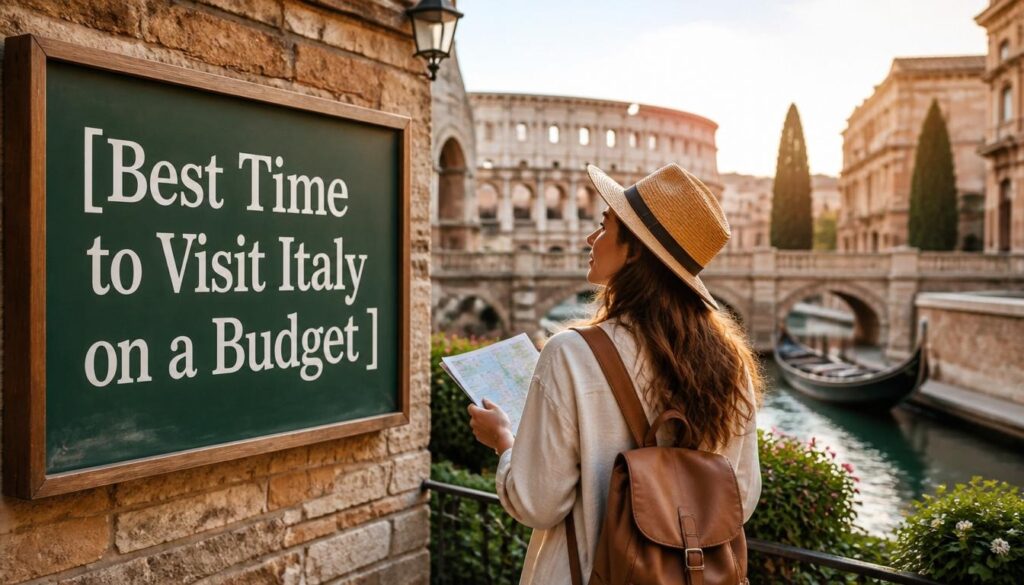
Timing can significantly affect your travel expenses.
Spring (April–May)
Spring offers pleasant weather, blooming gardens, and fewer crowds. Hotel prices are usually lower than during peak summer.
Pros
- Comfortable temperatures
- Lower accommodation costs
- Beautiful scenery
- Great sightseeing weather
Fall (September–October)
Fall is another excellent season for budget travelers.
You’ll enjoy:
- Mild weather
- Wine harvest festivals
- Smaller crowds
- Lower airfare compared to summer
Winter (November–March)
Winter is the cheapest season in most parts of Italy except around Christmas and New Year.
Benefits include:
- Lowest hotel prices
- Cheap flights
- Fewer tourists
- Peaceful sightseeing
Northern Italy becomes popular for skiing, while southern cities remain relatively warm.
Cheapest Cities to Visit in Italy budget travel guide
Many travelers only visit Rome, Venice, and Florence, but Italy has many affordable destinations.
Bologna
Bologna offers incredible food, beautiful architecture, and lower prices than Florence or Venice.
Highlights include:
- Medieval towers
- Historic university
- Affordable pasta
- Local markets
Naples
Naples is one of Italy’s most affordable major cities.
Reasons to visit:
- Authentic pizza
- Historic streets
- Easy access to Pompeii
- Budget accommodations
Bari
Located in southern Italy, Bari is often overlooked.
You’ll find:
- Beautiful coastline
- Lower hotel prices
- Authentic Italian atmosphere
- Delicious seafood
Palermo
Sicily’s capital offers fantastic value for travelers.
Expect:
- Affordable hotels
- Cheap street food
- Rich history
- Beautiful beaches
Budget Accommodation Options Italy budget travel guide
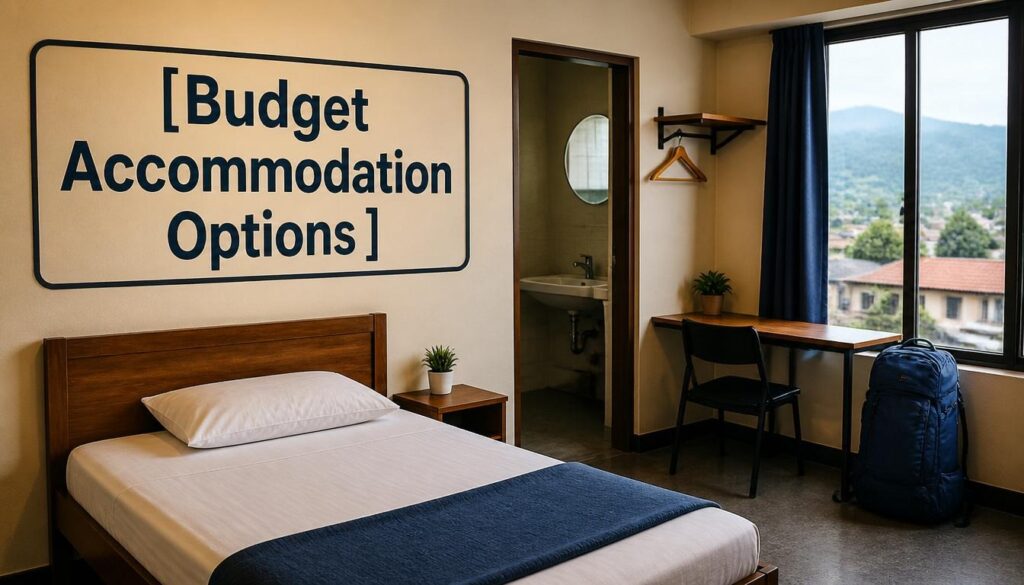
Accommodation usually takes the largest portion of your travel budget.
Where to Stay in Italy on a Budget
Italy has plenty of affordable places to sleep. The right choice depends on who you travel with and how long you stay.
Hostels
Hostels suit solo travelers best. Beds usually cost about $25–$45 per night. Many include free Wi-Fi, a shared kitchen, laundry, and social events where you can meet other travelers.
Budget Hotels
Budget hotels typically cost $60–$100 per night. Look for one slightly outside the city center. You often save money, and a short bus or train ride gets you back to the sights.
Guesthouses
Family-run guesthouses offer comfortable rooms, homemade breakfast, and friendly hosts. The owners also give good local advice, such as which restaurants locals prefer.
Apartments
An apartment makes sense if you stay several days. You can cook your own meals, wash clothes, and enjoy more space. Families often get better value this way.
How to Save Money on Transport in Italy
Taxis add up fast. Italy’s public transport is reliable and much cheaper, so use it whenever you can.
Regional Trains
Regional trains cost far less than high-speed trains. They work well for short trips, small towns, and flexible schedules. Booking early can save even more.
Local Buses
Most Italian cities run affordable bus systems. Single tickets typically cost about €1.50–€3, though prices vary by city. That makes buses one of the cheapest ways to get around.
Walking
Walking costs nothing, and it often shows you the best of Italy. The historic centers of Rome, Florence, and Bologna work well on foot. Along the way, you’ll find hidden streets, small churches, local cafés, and lively squares.
Eating Well in Italy Without Overspending
Good food in Italy doesn’t have to be expensive. Locals usually eat at small neighborhood restaurants, not in the busiest tourist areas. Follow their lead and your bill drops quickly.
Pizza
Authentic pizza is surprisingly affordable. Expect to pay about €6–€12. Naples is a top choice for budget-friendly pizza.
Pasta
Traditional pasta dishes often cost about €8–€15. Prices fall further when you eat away from major attractions.
Street Food
Street food is one of the easiest ways to save. Try panini, arancini, pizza by the slice, fried seafood, local pastries, and gelato. If you enjoy comparing regional dishes, our Himachal food guide shows how a local-first approach works in another part of the world.
Local Markets
Fresh fruit, cheese, bread, and snacks from local markets cut daily food costs. Many travelers pack a picnic lunch and eat in a park or public square.
Free Things to Do in Italy
Many of Italy’s best experiences cost nothing. You can admire the architecture of Rome, walk through Florence’s old streets, and relax on public beaches in the south. Many churches, local festivals, viewpoints, and parks are also free. Check opening hours and any entry rules before you go, since they can change.
Frequently Asked Questions
What is the cheapest month to visit Italy?
January and February are usually the cheapest, with lower hotel prices and fewer tourists. Holiday and carnival weeks cost more.
How can I save money while traveling in Italy?
Book accommodation early, use regional trains and buses, and eat at local places. Visiting in the shoulder or off-season also cuts costs.
What is the cheapest way to travel around Italy?
Regional trains and buses are the most affordable options. Booking in advance lowers the price further.
Is Italy expensive for tourists?
It can be in popular areas. Budget stays, public transport, and local restaurants keep costs manageable.
How much should I budget for a 7-day trip to Italy?
A budget traveler can expect to spend roughly $500–$700 for a week, not counting international flights. Costs depend on the cities you visit.
Conclusion
Italy doesn’t have to be an expensive dream. With smart planning, affordable stays, local transport, and simple meals, you can enjoy its history, scenery, and food without overspending. Small choices add up, from a regional train ticket to a market lunch.
A flexible approach also helps. Mix big cities with smaller towns, travel outside peak weeks, and spend your money on the experiences you care about most. For more trip ideas, browse our travel guides or read our practical Arunachal Pradesh itinerary.
