
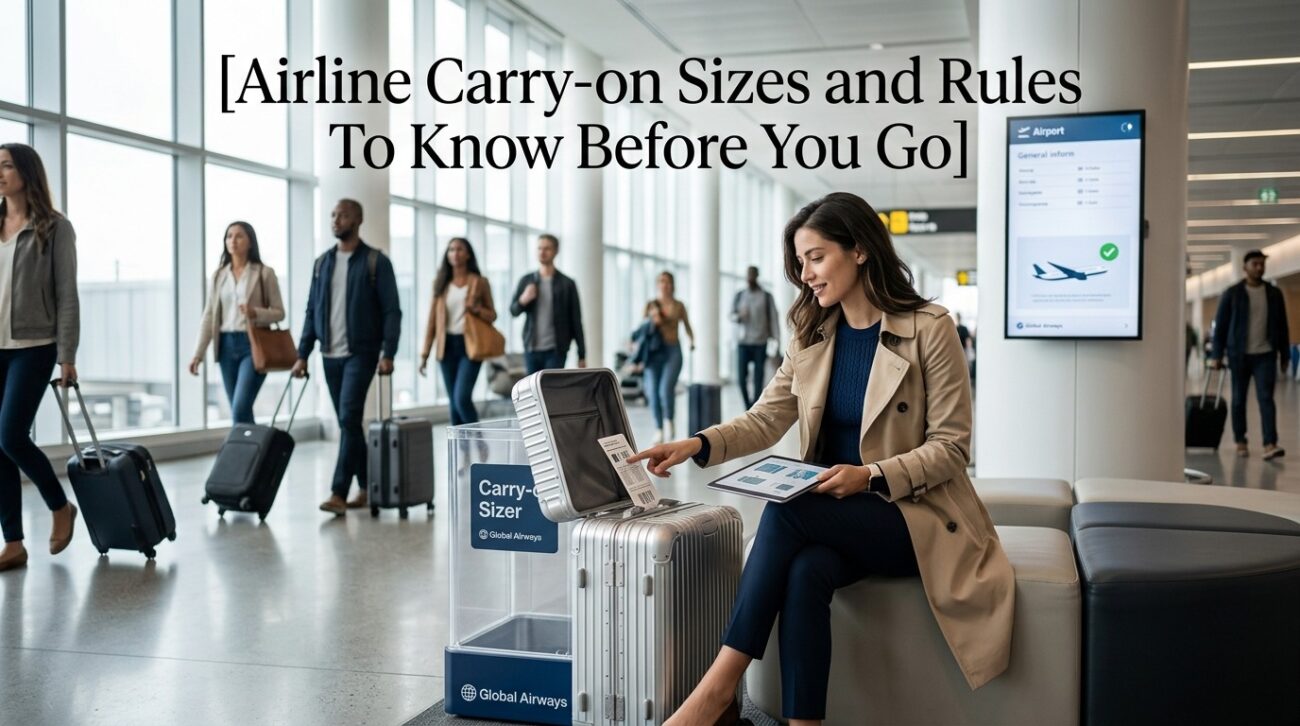
Planning a trip becomes easier when you understand Airline Carry-on Sizes and Rules To Know Before You Go before arriving at the airport. Every airline has different cabin baggage limits based on destination, fare, or aircraft type. Therefore, checking the latest allowance before packing helps you avoid extra fees and last-minute repacking. Moreover, knowing what fits in the overhead bin or under the seat makes boarding smoother. This guide explains the most important carry-on rules and compares common airline limits.
Understanding airline carry-on sizes and rules before your flight can save you time, money, and unnecessary stress at the airport. Airline Carry-on Sizes and Rules can vary between airlines, travel classes, and even ticket types, so it is important to check the specific requirements before packing your bag. Weight limits, maximum dimensions, personal-item rules, and restrictions on liquids or other items can all affect what you are allowed to bring into the cabin.
Before you leave home, measure your carry-on bag and check the latest baggage policy of your airline. Airline Carry-on Sizes and Rules are especially important for travellers using budget airlines, where cabin baggage allowances may be more limited. Packing carefully and keeping important items within the permitted limits can help you avoid unexpected fees and make your airport experience much smoother.
What Are Airline Carry-on Size Rules?
Featured Snippet: Airline Carry-on Sizes and Rules To Know Before You Go explain the maximum dimensions and weight allowed for cabin baggage. These limits vary by airline and ticket type. Travellers should always verify the latest baggage policy before departure because restrictions may change based on route, aircraft, or fare.Carry-on size rules tell passengers how large and heavy cabin bags may be before boarding. Therefore, understanding these limits helps prevent delays and extra baggage charges.Most airlines measure carry-on luggage by length, width, and height, including wheels and handles. Moreover, many carriers also apply weight limits that travellers should check before every trip.
Why Airlines Have Carry-on Limits
Airline Carry-on Sizes and Rules create baggage rules to improve safety and organise overhead storage space. Therefore, standard size limits help ensure every passenger has room for approved cabin luggage.These rules also reduce boarding delays because oversized bags often require gate checking. Furthermore, consistent packing makes flights more comfortable for everyone onboard.
Why Carry-on Rules Differ Between Airlines

Many travellers wonder why one airline accepts a bag while another refuses it. However, several important factors explain these differences.Each Airline Carry-on Sizes and Rules develops its own baggage policy based on aircraft size, cabin layout, route network, and business model. Therefore, budget airlines often enforce stricter baggage limits than many full-service carriers.Low-cost airlines usually earn additional revenue through baggage fees. Meanwhile, premium airlines may include larger carry-on allowances for certain fare classes or frequent flyers.Aircraft type also affects available storage space. Smaller regional aircraft generally provide less overhead room than larger international air planes.
Typical Carry-on Size Limits
Although baggage rules vary, many airlines use similar cabin bag dimensions.
| Carry-on Feature | Typical Allowance |
| Maximum Height | Around 22 inches (56 cm) |
| Maximum Width | Around 14 inches (36 cm) |
| Maximum Depth | Around 9 inches (23 cm) |
| Weight Limit | Typically 7–10 kg, but may vary |
| Personal Item | Small backpack, purse, or laptop bag |
These measurements represent common guidelines instead of universal standards. Therefore, travellers should always confirm the latest policy directly with their airline before departure.
How Airlines Measure Carry-on Bags
Many travellers only measure the main body of their suitcase. However, airlines usually include wheels, side pockets, handles, and other fixed parts.Airline Carry-on Sizes and Rules baggage sizer help staff determine whether a bag meets approved dimensions. Therefore, if your luggage does not fit inside the sizing frame, it may need to travel in the checked baggage compartment.Soft-sided bags sometimes compress more easily than hard-shell luggage. Moreover, avoiding over packing improves your chances of passing the size check.
Carry-on Dimensions Include Everything
The total measurement includes every permanent part attached to your bag. Therefore, wheels and handles cannot extend beyond the permitted dimensions.Even small design differences may affect whether a suitcase meets Airline Carry-on Sizes and Rules requirements. Furthermore, measuring your luggage at home reduces surprises at the airport.
Carry-on Weight Limits Explained
Some Airline Carry-on Sizes and Rules only regulate bag size, while others also limit weight.Weight restrictions help cabin crew maintain safe storage conditions inside overhead compartments. Therefore, passengers should weigh bags before leaving home whenever possible.Digital luggage scales provide a simple way to confirm baggage weight. Moreover, removing unnecessary items helps keep your carry-on within airline limits.
What Happens If Your Bag Is Too Heavy?
Airline Carry-on Sizes and Rules staff may ask you to transfer items into checked luggage or a personal item. Therefore, packing efficiently can help avoid unexpected charges.In some cases, oversized or overweight bags must be checked before boarding. Furthermore, gate-check fees may be higher than booking checked baggage in advance.
Personal Item vs Carry-on Bag
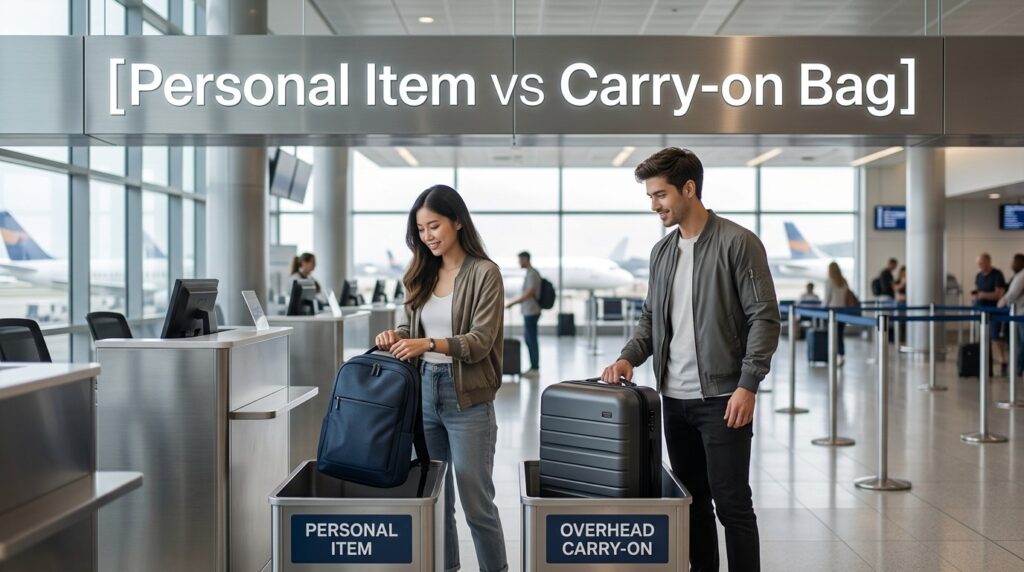
Many Airline Carry-on Size Rules Guide suitcase plus one personal item.A personal item usually fits beneath the seat in front of you. Therefore, it should remain much smaller than your main cabin bag.Common personal items include:
- Laptop bag
- Small backpack
- Handbag
- Camera bag
- Small tote bag
- Some airlines define maximum personal item dimensions. Moreover, travelers should verify these limits before packing.
Choosing the Right Personal Item
A lightweight backpack often provides excellent flexibility during travel. Therefore, many travelers use it for electronics, travel documents, medication, and valuables.Keeping important items close also makes airport security easier. Furthermore, essentials remain accessible throughout the flight.
Carry-on Rules for International Flights
International flights often involve different baggage policies compared with domestic travel.Some airlines apply different allowances depending on the country, aircraft, or cabin class. Therefore, travellers should review baggage rules for every Airline Carry-on Size Rules Guide involved in their itinerary. Code share flights deserve special attention because one airline may sell tickets while another operates the aircraft. Moreover, the operating airline often applies the baggage policy.
Packing Tips That Follow Airline Carry-on Size Rules
Featured Snippet: Packing within Airline Carry-on Sizes and Rules limits starts with choosing the right bag and using space wisely. Roll your clothes, organise small items with packing cubes, and leave extra room for souvenirs. Always check your airline’s latest baggage policy before your flight.Smart packing saves space and keeps your bag within airline-carry-on-size-rules limits. Therefore, you can board faster and avoid unnecessary baggage fees.A well-packed carry-on also makes your trip more comfortable. Moreover, you can find important items without unpacking everything.
Roll Clothes Instead of Folding
Airline Carry-on Sizes and Rules Rolling clothes often creates more space than folding them. Therefore, many experienced travellers use this simple packing method.Rolled clothing also helps reduce wrinkles during travel. Furthermore, it keeps your suitcase neat throughout your journey.
Use Packing Cubes
Airline Carry-on Sizes and Rules Packing cubes separate clothing into small sections. Therefore, your suitcase stays organised from departure to arrival.They also help compress soft clothing in many cases. In addition, finding specific items becomes much easier.
Pack Heavy Items First
Place heavier items near the wheels of your suitcase. Therefore, your bag stays balanced while rolling.Balanced luggage is easier to carry through airports. Moreover, it reduces strain on your arms and shoulders.
Liquids and Security Screening
Airline Carry-on Sizes and Rules security follows strict airline-carry-on-size-rules. Therefore, travellers should prepare these items before arriving.Security requirements may vary by country and airport. However, checking official guidance before departure is always wise.
Keep Liquids Together
Store liquids inside one clear, resealable bag when required. Therefore, security screening becomes faster.Keep this bag near the top of your luggage. Moreover, you can remove it quickly during inspection.
Protect Electronics
Place laptops and tablets where they are easy to reach. Therefore, security officers can inspect them quickly if needed.Use padded sleeves for valuable electronics. Furthermore, they provide extra protection during travel.
Items That Usually Belong in Your Carry-on
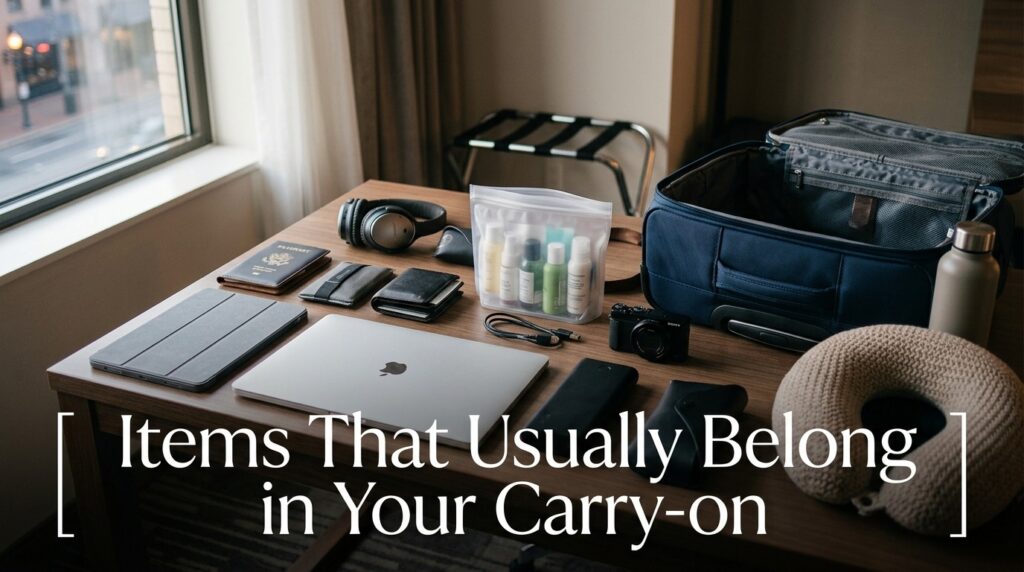
Some belongings should stay with you instead of checked baggage. Therefore, pack valuable and essential items inside your cabin bag.Keeping important items nearby provides extra peace of mind. Moreover, you can access them throughout your journey.Common carry-on essentials include:
- Passport and travel documents
- Wallet and identification
- Mobile phone and charger
- Laptop or tablet
- Prescription medication
- Glasses or contact lenses
- Travel insurance documents
- Small power bank, where permitted
- Light jacket
- Reusable water bottle after security
- Always review Airline Carry-on Sizes and Rules To Know Before You Go before flying. Furthermore, some items may have additional restrictions.
Choosing the Best Carry-on Suitcase
The right suitcase makes every journey easier. Therefore, select one that matches your travel style.A quality cabin bag should be lightweight, durable, and easy to move. Moreover, it should meet common airline size limits.
| Feature | Why It Matters |
| Lightweight design | Leaves more room for your belongings |
| Strong wheels | Makes airport travel easier |
| Durable shell | Protects your items |
| Comfortable handle | Improves carrying comfort |
| Interior pockets | Keeps belongings organized |
Choose quality over appearance whenever possible. Furthermore, durable luggage often lasts for many years.
Hard-Shell or Soft-Sided?
Hard-shell luggage offers better protection for fragile belongings. Therefore, many travelers prefer it for electronics.Soft-sided luggage provides greater flexibility during packing. On the other hand, it may fit tight overhead spaces more easily.
Carry-on Rules for Budget Airlines
Budget Airline Carry-on Sizes and Rules often apply stricter baggage policies. Therefore, reading the baggage rules before booking is important.Some fares include only one small personal item. Moreover, larger cabin bags may require an additional fee.
Measure Your Bag Before Leaving Home
Measure your suitcase with wheels and handles included. Therefore, you reduce the chance of problems at the airport.Use a tape measure on a flat surface. Furthermore, double-check the airline’s published limits.
Book Extra Baggage Early
If you expect extra luggage, book it before travel. Therefore, you may pay less than airport prices.Prices often increase on the travel day. In addition, early planning makes check-in much easier.
Family Travel and Carry-on Bags

Families often carry more essential items than solo travelers. Therefore, careful planning becomes even more important.Organized luggage helps parents find important items quickly. Moreover, children stay more comfortable during long flights.
Pack Children’s Essentials Together
Keep snacks, wipes, toys, and extra clothing in one section. Therefore, they remain easy to reach.A small travel pouch also saves time during the flight. Furthermore, it keeps the cabin organized.
Keep Comfort Items Nearby
Young children often travel better with familiar items. Therefore, pack a favourite blanket or soft toy.Small comforts can reduce travel stress. In addition, they help children settle during longer journeys.
Accessibility and Medical Needs
Many Airline Carry-on Sizes and Rules To Know Before You Go provide support for travellers with accessibility needs. Therefore, contact the airline before your trip if assistance is required.Policies may differ between airlines and destinations. Moreover, early communication usually provides the best experience.Medical equipment may receive special consideration under airline policies. However, travelers should always confirm requirements before departure.
Tips for a Smooth Airport Experience
Airline Carry-on Sizes and Rules A little preparation makes airport travel much easier. Therefore, plan ahead before leaving for your flight.Good planning also reduces stress during busy travel periods. Moreover, it gives you more time to solve unexpected problems.
Arrive Early
Arrive at the airport with enough time for check-in and security. Therefore, you can move through each step without rushing.Arrival times may vary by airport and destination. Furthermore, holiday travel often requires extra time.
Keep Travel Documents Ready
Store your passport, boarding pass, and identification together. Therefore, you can present them quickly when needed.A small document holder also keeps everything organized. In addition, it helps prevent misplaced papers.
Charge Your Devices
Fully charge your phone before leaving home. Therefore, you can access tickets, maps, and travel updates.A permitted power bank also provides extra battery life. Moreover, it helps during long travel days.
How to Stay Within Airline Carry-on Size Rules
Featured Snippet: The easiest way to meet Airline Carry-on Sizes and Rules To Know Before You Go is to measure your bag before every trip, weigh it if required, and review your airline’s latest baggage policy. Small checks before leaving home can prevent delays, unexpected fees, and gate-checked luggage.Following simple habits makes travel much easier. Therefore, prepare your luggage before arriving at the airport.Small adjustments often prevent large travel problems. Furthermore, careful planning saves both time and money.
Quick Carry-on Checklist
Before every flight, make sure you:
- Measure your carry-on with wheels and handles.
- Check your airline’s current baggage policy.
- Weigh your bag if a limit applies.
- Pack valuables in your cabin bag.
- Keep travel documents easy to reach.
- Organize liquids for security screening.
- Leave extra space for items purchased during your trip.
- This checklist takes only a few minutes. Moreover, it helps avoid unnecessary surprises at the airport.
Frequently Asked Questions
Is there one standard carry-on size for every airline?
No. Every Airline Carry-on Size Rules Guide may set different size and weight limits. Therefore, always check your airline’s latest baggage policy before your flight.
Do wheels and handles count in carry-on measurements?
Yes. Most airlines measure the entire bag, including wheels, handles, and fixed side pockets. Therefore, measure every part before traveling.
Can I bring both a carry-on bag and a personal item?
Many airlines allow both items. However, the personal item must usually fit beneath the seat in front of you.
What happens if my carry-on bag is too large?
The airline may ask you to check the bag before boarding. As a result, additional baggage fees may apply.
Do international flights have different carry-on rules?
Yes. Rules often vary by airline, route, aircraft, and ticket type. Therefore, review the baggage policy for every flight.
What is the standard carry-on size for airlines?
Many airlines commonly allow carry-on bags around 22 × 14 × 9 inches, but there is no universal standard. Always check your specific airline’s current size and weight requirements before travelling.
Do airlines check carry-on size and weight?
Yes, airlines may measure or weigh carry-on bags, particularly when they appear oversized or overweight. If your bag exceeds the permitted limits, you may need to check it or pay an additional fee.
Should I weigh my carry-on before leaving home?
Yes. A small luggage scale makes checking weight easy. Moreover, it helps prevent unexpected airport charges.
Where can I find the latest baggage rules?
The most reliable information comes directly from your airline. Therefore, review the official baggage policy before every trip because rules may change.
Also Read;
Best Travel Blogs of 2026 My Current Favourite Picks
Best US National Parks to Visit Month-By-Month: Your 2026 Seasonal Guide
Conclusion
Understanding Airline Carry-on Sizes and Rules To Know Before You Go before your trip helps you travel with greater confidence and fewer surprises. Therefore, measuring your luggage, checking weight limits, and reviewing your airline’s current baggage policy can save both time and money. Moreover, smart packing allows you to move through the airport more smoothly while keeping important belongings close throughout your journey.
Most importantly, Airline Carry-on Sizes and Rules should be checked again before every flight because airlines can update their baggage policies. Pack only what you need, keep essential items easily accessible, and follow restrictions for liquids and prohibited items. A little preparation can help you travel more comfortably and avoid unnecessary baggage charges.
Every Airline Carry-on Sizes and Rules may have different cabin baggage requirements, so checking the latest rules before every flight is always the best approach. Finally, careful planning, organised packing, and a well-sized carry-on bag make travel easier whether you fly for business, family vacations, or international adventures. Following Airline Carry-on Size Rules Guide helps you begin every trip with less stress and more peace of mind.
