
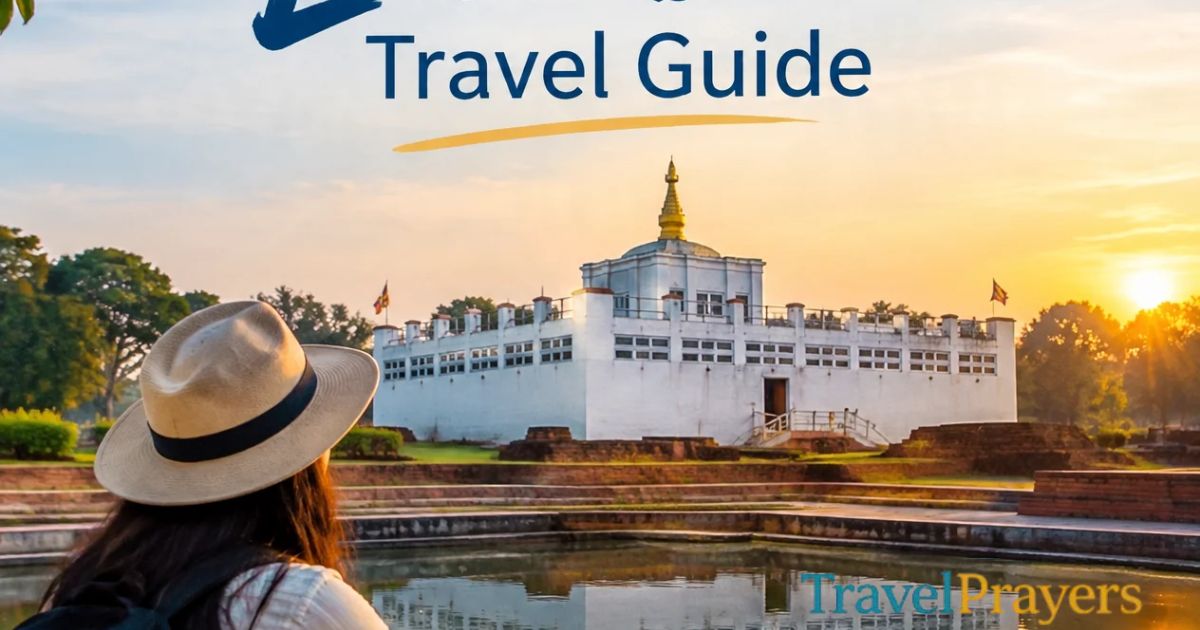
Lumbini is the birthplace of Siddhartha Gautama, the Buddha, and a UNESCO World Heritage Site in southern Nepal near the Indian border. Its peaceful Sacred Garden, Maya Devi Temple, Ashoka Pillar, and international Buddhist monasteries make it one of the most significant cultural and pilgrimage destinations in Asia.
Most visitors can explore Lumbini’s main attractions in one full day, while two days allow more time for the monasteries, museum, and nearby archaeological sites. You can reach the area by flying from Kathmandu to Gautam Buddha International Airport in Bhairahawa or traveling overland from India through the Sunauli border crossing.
This Lumbini travel guide explains what to see, how to get around, the best time to visit, entry fees, transport options, and suggested one- and two-day itineraries. It also compares Lumbini with Chitwan to help you decide which destination best fits your Nepal trip.
Where Is Lumbini?
Lumbini is in Rupandehi district in Nepal’s southern Terai plains, close to the Indian border. The town lies approximately 22 km from Bhairahawa, also known as Siddharthanagar, and is accessible by road from the Indian border crossing at Sunauli.
The Lumbini Development Zone is a large, planned complex rather than a single temple. Japanese architect Kenzo Tange designed its master plan in 1978, organizing the area around three main sections: New Lumbini Village, the Monastic Zone, and the Sacred Garden.
New Lumbini Village contains visitor facilities and cultural attractions. The Monastic Zone features Buddhist monasteries built by different countries, while the Sacred Garden contains the Maya Devi Temple and other archaeological remains associated with the Buddha’s birth.
Because the attractions are spread over a large area, planning your transport in advance can make your visit more comfortable.
For official destination information, see the Nepal Tourism Board’s Lumbini guide.
Why Is Lumbini Famous?
Lumbini is famous as the traditional birthplace of Siddhartha Gautama, who later became known as the Buddha. It is one of the four major Buddhist pilgrimage sites, alongside Bodh Gaya, Sainath, and Kushalnagara.
UNESCO inscribed Lumbini on the World Heritage List in 1997 because of its archaeological importance and its significance in the history of Buddhism.
One of its most important historical landmarks is the Ashoka Pillar. Its inscription, associated with Emperor Ashoka’s visit in the third century BCE, identifies Lumbini as the Buddha’s birthplace. The pillar was rediscovered in 1896 and remains an important source of historical evidence connecting the site with early Buddhist history.
The Sacred Garden also contains archaeological remains of ancient monasteries and stupas. Together, these features make Lumbini important for pilgrims, historians, archaeologists, and travelers interested in Asian cultural heritage.
Is Lumbini Worth Visiting?
Yes, Lumbini is worth visiting if you enjoy cultural heritage, religious history, archaeology, architecture, or peaceful surroundings. The Sacred Garden provides an opportunity to explore important Buddhist landmarks, while the Monastic Zone showcases different architectural traditions from across the Buddhist world.
Lumbini can also appeal to travelers who are not Buddhist. You can learn about ancient South Asian history, observe how different communities express their religious traditions, and explore the landscaped grounds by bicycle or on foot.
However, Lumbini may be less suitable if you are looking for mountain scenery, nightlife, or adventure activities. The landscape is mostly flat, summer temperatures can be intense, and the main attractions are spread across a large area.
For most travelers, one well-planned day is enough to see the main highlights. Consider staying for two days if you want to explore more monasteries and archaeological sites without rushing.
Explore the Sacred Garden

The Sacred Garden is the spiritual and historical heart of Lumbini. It contains the Maya Devi Temple, the Ashoka Pillar, the sacred Puskarini pond, a Bodhi tree decorated with prayer flags, and excavated remains of ancient religious structures.
Many Buddhist pilgrims visit the garden to pray, meditate, or reflect on the Buddha’s life. The archaeological remains also make it an important destination for visitors interested in the development of early Buddhist sites.
Allow at least two hours to explore the main landmarks. Arriving early can help you avoid some of the daytime heat and larger tour groups.
Take your time around the pond, temple, and archaeological areas. Remember that the Sacred Garden is an active place of worship as well as a heritage attraction, so quiet and respectful behavior is appreciated.
Visit the Maya Devi Temple
The Maya Devi Temple marks the traditional birthplace of the Buddha and is the most important attraction in Lumbini. It is named after Queen Maya Devi, the Buddha’s mother.
Inside the temple, a marker stone identifies the traditionally recognized birthplace. The modern structure protects archaeological remains from earlier periods, allowing visitors to see evidence of the site’s long religious history.
Before entering, remove your shoes and wear respectful clothing. Food and drinks should be left outside the temple premises. Photography may be restricted in particular areas, so follow posted instructions and ask staff if you are unsure.
Spend a few quiet moments observing the surroundings rather than treating the temple as a quick photo stop. The combination of archaeological remains, religious activity, and the peaceful garden makes this the central experience of a visit to Lumbini.
For current visitor rules, check the Lumbini Development Trust’s official entry formalities.
See the Ashoka Pillar
The Ashoka Pillar stands near the Maya Devi Temple and is one of Lumbini’s most significant historical monuments. It is associated with Emperor Ashoka’s visit in the third century BCE, when he commemorated the site connected with the Buddha’s birth.
The pillar’s Brahmi inscription provides important evidence of Lumbini’s historical and religious significance. Its rediscovery in 1896 helped establish the site’s importance for modern archaeological research.
Take time to read the available information about the inscription and its historical context. The pillar is more than a monument: it connects the present-day pilgrimage site with the ancient history of Buddhism.
If you have an additional day and can arrange suitable transport, you may also consider visiting nearby archaeological landmarks such as Gotihawa or Nigali Sagar. Check travel times and site access before adding these locations to your itinerary.
Explore the International Monastic Zone
The International Monastic Zone lies north of the Sacred Garden and contains monasteries representing Buddhist communities from different countries. Its layout includes a central canal and separate areas for different architectural and religious traditions.
The monasteries offer an opportunity to see how Buddhist communities express their heritage through building design, artwork, prayer spaces, and landscaped grounds.
Some visitors focus on the temples associated with Thailand, Myanmar, Cambodia, and Sri Lanka, while others explore monasteries connected with China, Japan, Korea, Vietnam, and other countries. The exact experience varies by monastery, and access may depend on local opening hours or religious activities.
Other attractions in the wider complex include the World Peace Pagoda, the Lumbini Museum, and the Eternal Flame. The surrounding wetland areas can also be interesting for nature lovers and birdwatchers.
Do not assume that every monastery is open at all times. Follow signs, respect any restrictions, and ask permission before photographing people or religious ceremonies.
Important Visitor Tips
Entry Fees
Entry fees depend on nationality and the type of visit. Published fee schedules have differed, so avoid relying on an older blog post or an unverified figure when planning your budget.
Before traveling, check the official Lumbini Development Trust ticket website and confirm the current rate for your nationality. Camera and filming charges may be separate from the general conservation fee.
Opening Hours
Opening times can vary by attraction, season, and religious activities. Some places may close for part of the day, so check locally before planning your route.
Starting early is a practical choice because it gives you more time in the Sacred Garden before the hottest hours.
Dress and Temple Etiquette
Wear comfortable, respectful clothing that covers your shoulders and knees when appropriate. Remove your shoes before entering the Maya Devi Temple and any other area where footwear is prohibited.
Keep your voice low, follow signs, and avoid disturbing people who are praying or meditating.
Heat and Weather
Lumbini can become extremely hot in late spring and early summer. Carry drinking water, wear sun protection, and take breaks in shaded areas.
During the monsoon, rain and humidity can make walking and cycling less comfortable. A light rain jacket and flexible plans can help.
Drones and Photography
Do not assume that you can fly a drone over the heritage area. Permission from the relevant authorities may be required, including the district administration, Nepal’s Civil Aviation Authority, and the Lumbini Development Trust.
Always follow local photography rules, especially inside the Maya Devi Temple and near worshippers.
Food and Water
Food shops and visitor facilities are available around the main entrance areas, but services may be less convenient farther into the complex. Carry water and plan meal breaks before setting off on a longer route.
Lumbini for Non-Buddhists
You do not need to be Buddhist to appreciate Lumbini. The site combines archaeology, cultural history, architecture, nature, and religious traditions in one destination.
The Ashoka Pillar and excavated remains offer insight into ancient South Asian history. The international monasteries demonstrate how Buddhist communities from different countries have developed distinctive architectural styles and traditions.
Visitors can also enjoy a peaceful walk, cycle between attractions, or spend time observing the landscaped grounds and local birdlife.
Respect is the main consideration. Follow temple rules, dress appropriately, speak quietly in sacred areas, and ask before photographing monks or pilgrims.
Walking, Cycling, or E-Rickshaw: How to Explore Lumbini
Lumbini’s main attractions are spread over a large, mostly flat area. Walking is pleasant for shorter distances, but covering the entire complex on foot can become tiring, particularly in hot weather.
Choose your transport according to your available time, mobility, and the season.
Walking
Walking is a good way to explore the Sacred Garden, including the Maya Devi Temple, Ashoka Pillar, pond, and nearby archaeological remains.
It also lets you slow down and appreciate the surroundings. However, walking between distant monasteries may take more time and energy than expected.
Bicycle Rentals
Cycling is a popular way to explore the Monastic Zone. A bicycle gives you flexibility to visit several monasteries and stop whenever something catches your interest.
Rental locations and prices can change, so confirm the cost and return arrangements before setting off. Carry water, wear suitable footwear, and park your bicycle where permitted before entering temples.
E-Rickshaws
An e-rickshaw can be convenient for families, older travelers, visitors with limited mobility, and anyone visiting during hot weather.
Agree on the fare, duration, planned stops, and any additional entrance or vehicle charges before beginning the trip. Ask the driver to clarify which attractions are included so you can avoid unexpected costs.
Sunrise & Sunset Experience in Lumbini
Early morning and late afternoon can be comfortable times to explore Lumbini. Temperatures are often more manageable, and the light can make the white, gold, and brick-colored buildings especially attractive.
Sunrise in Lumbini
If the Sacred Garden is open, an early visit lets you explore the Maya Devi Temple, pond, and Bodhi tree before the day becomes hot.
Confirm opening times locally, as they may change. Keep your visit quiet and remember that pilgrims may already be praying or meditating.
Sunset in Lumbini
The World Peace Pagoda is a popular stop for visitors exploring the wider complex. Late afternoon can be a pleasant time to see the surrounding grounds and photograph the architecture.
Check access and closing times before heading there, and allow enough time to return to your accommodation safely.
How Many Days Do You Need in Lumbini?
One full day is usually enough to see the main attractions. Two days provide a more relaxed experience and make it easier to visit additional monasteries, the museum, or nearby archaeological sites.
Half Day in Lumbini
A half-day visit is possible if you are short on time. Focus on the Sacred Garden, Maya Devi Temple, Ashoka Pillar, and Puskarini pond.
If time permits, add one or two nearby monasteries. You will probably need to skip some attractions, so plan your priorities in advance.
One Day in Lumbini
One full day is the best option for most travelers. Visit the Sacred Garden in the morning, explore selected monasteries later in the day, and finish with the World Peace Pagoda if access and timing allow.
Using a bicycle or e-rickshaw can help you cover more ground without rushing between attractions.
Two Days in Lumbini
Two days allow you to explore at a slower pace. You can spend more time in the Monastic Zone, visit the Lumbini Museum if it is open, and explore additional archaeological locations in the surrounding area.
Tilaurakot, associated with the ancient Shakya kingdom, is an option for travelers interested in Buddhist history. Nearby sites such as Gotihawa and Nigali Sagar may also be worth considering, depending on road conditions and available transport.
Confirm opening arrangements and any separate entry charges before setting out.
Best Time to Visit Lumbini

Lumbini’s climate differs from Nepal’s cooler mountain destinations. The Terai plains can become very hot, and seasonal fog or monsoon rain can affect sightseeing.
Autumn (September–November)
Autumn is generally a good time to visit, particularly after the monsoon rains begin to ease. October and November often offer more comfortable conditions for walking and cycling.
This is a useful period for travelers who want to explore the Sacred Garden and Monastic Zone without the intense heat of late spring.
Winter (December–February)
Winter can bring mild daytime conditions, making it suitable for sightseeing. However, morning fog can reduce visibility, particularly during parts of January and February.
Carry an extra layer for early starts and allow some flexibility if fog delays your plans.
Spring (March–May)
March and April can be pleasant, but temperatures rise as summer approaches. May can be very hot, so plan outdoor visits early in the morning or later in the afternoon.
Buddha Jayanti, which celebrates the Buddha’s birth, enlightenment, and passing in Buddhist traditions, is observed around the full moon in the lunar month of Vaisakha. The date changes each year, and celebrations can attract additional pilgrims and visitors.
Monsoon (June–August)
The monsoon brings rain, humidity, and potentially muddy paths. Outdoor sightseeing may require more flexibility, particularly when cycling or traveling between distant attractions.
The landscape can be lush during this period, but travelers should carry rain protection and check local weather conditions before departure.
For a broader seasonal overview, see Lonely Planet’s guide to Lumbini.
Visiting Lumbini From India
Travelers coming from India often use Gorakhpur in Uttar Pradesh and the Sunauli border crossing. From Gorakhpur, you can travel by bus, taxi, or private vehicle toward Sunauli, cross the border, and continue toward Lumbini through Bhairahawa.
The final journey depends on traffic, border procedures, and your chosen transport. Confirm current routes and fares before leaving.
Indian citizens do not generally need a visa for Nepal, but they should carry an accepted identity document and verify current entry requirements before traveling. Do not assume every identity card is accepted for every travel situation.
If you are continuing from another country through India, check the requirements that apply to your nationality and travel documents. Border procedures, transport availability, and currency rules can change.
Lumbini From Kathmandu
Flying is generally the fastest way to travel from Kathmandu to Lumbini. Gautam Buddha International Airport is in Bhairahawa, approximately 22 km from the Lumbini site. From the airport, you can arrange a taxi or other local transport.
Flight schedules and operating airlines can change, so check current availability before booking. Allow extra time for the airport transfer and any delays.
Traveling by road takes considerably longer. The journey may take around 8–10 hours or more depending on traffic, road conditions, and the departure point. Bus routes and departure arrangements can vary, so confirm where the service arrives and how you will continue to Lumbini.
For most travelers with limited time, flying and then taking a local transfer is the more convenient option.
Chitwan or Lumbini: Which Should You Choose?
Lumbini and Chitwan offer different experiences. Lumbini is best known for Buddhist heritage, archaeology, and peaceful cultural exploration, while Chitwan is famous for wildlife, forests, and guided nature activities.
| Category | Lumbini | Chitwan |
| Main attraction | Buddhist heritage and archaeology | Wildlife and nature |
| Best for | History, culture, pilgrimage | Safaris and outdoor experiences |
| Suggested stay | 1–2 days | 2–3 days |
| Typical pace | Relaxed and reflective | Active and guided |
| Main experiences | Temples, monasteries, heritage walks | Wildlife viewing, jungle activities |
Choose Lumbini If You Want
- To learn about the Buddha’s life and Buddhist history.
- To visit a UNESCO World Heritage Site.
- To explore monasteries and historic landmarks.
- To enjoy a quieter cultural destination.
Choose Chitwan If You Want
- To explore Nepal’s wildlife and natural landscapes.
- To take part in guided jungle activities.
- To enjoy birdwatching and nature-focused experiences.
- To spend more time outdoors.
If you have enough time, combining both destinations can add variety to your Nepal trip. Check transport schedules and travel times before arranging a transfer between them.
Suggested Lumbini Itinerary
These itineraries are planning suggestions rather than fixed schedules. Adjust them according to opening times, weather, transport availability, and your interests.
One-Day Lumbini Itinerary
Morning
Start at the Sacred Garden. Visit the Maya Devi Temple, Ashoka Pillar, Puskarini pond, and Bodhi tree. Allow at least two hours, or longer if you want to explore slowly.
Afternoon
Take a break for lunch, then use a bicycle or e-rickshaw to explore selected monasteries in the International Monastic Zone. Check which buildings are open before deciding on your route.
Evening
If time and access permit, visit the World Peace Pagoda in the late afternoon. Return your bicycle or e-rickshaw and arrange transport back to your accommodation.
Two-Day Lumbini Itinerary
Day 1
Explore the Sacred Garden in the morning and the International Monastic Zone in the afternoon. Add the Lumbini Museum or Eternal Flame if opening hours permit.
Day 2
Visit additional monasteries or arrange a trip to nearby archaeological sites such as Tilaurakot, Gotihawa, or Nigali Sagar. Choose the locations that best match your interests and confirm the travel arrangements before leaving.
Exploring More of Nepal
Lumbini can be part of a longer Nepal itinerary, especially if you are traveling through the Terai or visiting several cultural destinations.
Kathmandu offers historic temples, traditional neighborhoods, and important cultural sites. Pokhara is known for its lakes and mountain views, while Chitwan is a popular choice for wildlife experiences.
Rather than trying to visit too many places in a short time, choose destinations that match your interests and leave enough time for transport between them.
For general trip-planning ideas, you can also explore TravelPrayers’ travel blog resources.
Final Thoughts
Lumbini is more than a place to visit a famous temple. Its Sacred Garden, Ashoka Pillar, archaeological remains, and international monasteries offer a meaningful introduction to Buddhist history and cultural heritage.
For most travelers, one full day is enough to explore the main landmarks. Two days provide more time for the monasteries, museum, and surrounding archaeological sites.
Start early, choose transport that suits the weather, respect temple rules, and confirm current entry fees and opening hours before your visit. With a little planning, Lumbini can be a rewarding and memorable part of a trip to Nepal.
Frequently Asked Questions
Why Is Lumbini Famous?
Lumbini is famous as the traditional birthplace of Siddhartha Gautama, the Buddha. It became a UNESCO World Heritage Site in 1997, and its Maya Devi Temple, Ashoka Pillar, and archaeological remains make it an important Buddhist pilgrimage destination.
Can Indians Visit Lumbini?
Yes, Indian citizens can generally visit Nepal without a visa. Travelers should carry an accepted identity document and check current border and entry requirements before traveling. The route through Gorakhpur and Sunauli is a common option.
Is Lumbini Only for Buddhists?
No. Lumbini welcomes visitors interested in history, archaeology, architecture, and culture, regardless of religion. Visitors should respect local customs, remove shoes where required, follow photography rules, and behave quietly in sacred spaces.
How Far Is Lumbini From Kathmandu?
Lumbini is roughly 290 km by road from Kathmandu, although the exact distance and journey time depend on the route. Flying to Bhairahawa takes around 30 minutes, followed by a road transfer to the Lumbini site.
What Are the Main Attractions in Lumbini?
The main attractions include the Maya Devi Temple, Ashoka Pillar, Puskarini pond, Bodhi tree, and International Monastic Zone. The World Peace Pagoda, Lumbini Museum, and nearby archaeological sites are additional options.
