
Planning Your Trip to Africa can be exciting, but it also needs careful planning. First, you need to choose the right safari country, wildlife area, travel season, and trip length. Then, you need to plan your budget, flights, accommodation, transport, and daily activities. Moreover, every African safari destination offers a different experience. Kenya and Tanzania are known for classic wildlife trips, while South Africa can offer safari experiences with cities and other attractions. Therefore, knowing what you want before booking can help you build a better safari.
Furthermore, an African safari is about much more than seeing lions, elephants, and giraffes. It is also about choosing a trusted operator, following wildlife rules, preparing for changing weather, and respecting local communities.Planning Your Trip In addition, families, couples, solo travellers, older visitors, and travellers with accessibility needs may need different plans. Therefore, this guide gives practical African safari advice from the first idea to the final booking. Whether you are travelling from the USA, Canada, the UK, Australia, or Europe, these tips can help you enjoy a safer and smoother journey.
Planning Your Trip Starts With Your Safari Goals
Before choosing a country, think about what you want from your safari. This simple step can make the rest of your planning much easier.
First, make a short list of your main goals. You may want to see the Big Five, enjoy photography, watch birds, explore landscapes, or experience local culture. Moreover, you may want a quiet luxury trip instead of a busy adventure.
Think about how you want each day to feel. Some travelers enjoy long game drives from early morning until late afternoon. However, others prefer shorter drives with more time at the lodge.
Therefore, your safari should match your travel style. If you enjoy comfort, look for quality lodges and shorter transfers. If wildlife is your main goal, focus more on the location and guide quality.
Choose Your Safari Style
Safari travel comes in several forms. Therefore, choose a style that matches your budget, comfort, and interests.
Planning Your Trip A private safari gives you more control over your schedule. You can often decide when to stop and how long to stay at a wildlife sighting.
On the other hand, a group safari can be more affordable. It can also be a good way to meet other travelers during your journey.
Self-drive safaris provide more independence in suitable destinations. However, they require good preparation and confidence on local roads.
Meanwhile, walking safaris offer a closer connection with nature. They may require more fitness, and travelers must follow strict guide instructions.
Planning Your Trip Around the Right African Destination
Africa has many safari destinations, so choosing one can feel difficult. However, your choice becomes easier when you compare destinations by wildlife, scenery, season, budget, and travel style.
Kenya is popular for classic safari experiences and wide grasslands. Planning Your Trip Tanzania is also famous for major wildlife areas and large natural landscapes.
South Africa can suit travelers who want to combine safari with cities, coastlines, and other attractions. Botswana may appeal to travelers who prefer remote and nature-focused experiences.
Namibia offers a different mix of wildlife and dramatic desert scenery. Therefore, there is no single destination that is best for everyone.
Kenya for a Classic Safari
Kenya can be an excellent choice for first-time safari travelers. The country has well-known wildlife areas and a wide range of safari experiences.
The Maasai Mara is especially famous for open grasslands and wildlife. However, animal movements depend on natural conditions and the season.
Moreover, Kenya can work well for travelers who want more than game drives. You can discuss cultural experiences and other activities with a reputable local operator.
Tanzania for Wildlife and Wide Landscapes
Tanzania is another popular choice for wildlife lovers. The Serengeti is known for its large landscapes and rich wildlife experiences.
Furthermore, the Ngorongoro area can add another type of scenery to a safari itinerary. Some travelers also combine a Tanzania safari with a beach stay in Zanzibar.
Therefore, Tanzania can suit travelers who want a varied African holiday. However, your exact route should depend on your travel dates and interests.
South Africa for Flexible Safari Holidays
South Africa can be a practical choice for travelers who want variety. A safari can be combined with cities, coastal areas, food experiences, and scenic travel.
Moreover, some safari areas can be easier to include in a broader holiday. This makes the country appealing to couples, families, and first-time visitors.
However, safari experiences vary between parks and private reserves. Therefore, always research the exact area before booking.
Botswana and Namibia for Different Experiences
Botswana can suit travelers who want remote nature and smaller safari camps. The Okavango Delta also offers a very different safari setting.
Planning Your Trip Namibia, meanwhile, combines wildlife with striking desert landscapes. Cheetos National Park is one of the country’s best-known wildlife areas.
Therefore, travelers who care about scenery as much as wildlife may enjoy these destinations.
Planning Your Trip During the Best Safari Season
There is no single best month for every African safari. Instead, the ideal time depends on your chosen country, park, weather, wildlife goals, and budget.
Generally, dry periods can make wildlife easier to see in some areas. Animals may gather around water sources, while vegetation may become less dense.
However, wet seasons can also offer wonderful experiences. Landscapes may become greener, and some destinations may have fewer visitors.
Therefore, do not choose a season only because it is called the “best” time. Choose the period that matches the experience you want.
Dry Season Safari Benefits
Dry-season travel can provide good wildlife viewing in many regions. Animals may gather around rivers, lakes, and other remaining water sources.
Moreover, some roads may be easier to use during dry conditions. However, road conditions vary between destinations.
Peak dry-season periods can also bring more visitors. Therefore, popular camps and lodges may need to be booked well ahead.
Wet Season Safari Benefits
Wet-season safaris can bring green scenery and fresh landscapes. Furthermore, some areas may feel quieter during lower visitor periods.
Birdwatchers may also enjoy wetter months because many areas become especially active. However, heavy rain can affect roads and travel times.
Therefore, ask your safari operator about current seasonal patterns for your exact destination.
Planning Your Trip With a Realistic Safari Budget
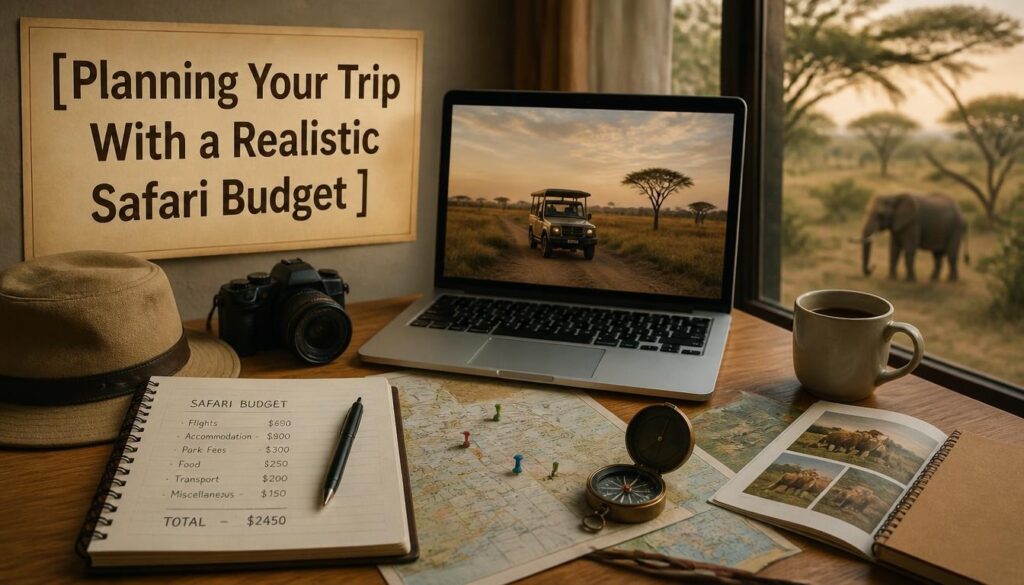
Safari costs can vary widely. Therefore, never compare safari holidays by looking at only one advertised price.
Your total cost may include international flights, regional flights, accommodation, park fees, meals, guides, transfers, and activities. In addition, you may need money for insurance, tips, drinks, souvenirs, and personal expenses.
Moreover, some safari packages include more services than others. Therefore, ask for a complete cost breakdown before making a payment.
Common Safari Expenses
| Expense | What to Check |
| International flights | Return fare and baggage rules |
| Regional flights | Routes and luggage limits |
| Accommodation | Room type and meal plan |
| Park fees | Included or separate |
| Safari vehicle | Private or shared |
| Activities | Included or optional |
| Transfers | Airport and camp transfers |
| Travel insurance | Medical and cancellation cover |
| Tips | Local expectations |
| Personal spending | Drinks, gifts, and extras |
A cheaper safari is not always the better deal. Therefore, compare what each company actually includes.
How to Make a Safari More Affordable
A safari does not have to be a luxury holiday. Group safaris may reduce costs compared with private trips.
Also, traveling outside the busiest periods can sometimes offer more accommodation choices. However, conditions and prices vary by destination.
Therefore, compare several complete packages before making your final decision.
Planning Your Trip With a Reliable Safari Operator
The safari company you choose can strongly affect your experience. Therefore, research the operator before paying a deposit.
First, check what the company includes. Then, look at accommodation, vehicles, guides, transfers, park fees, and cancellation terms.
Moreover, read recent independent reviews. Look for repeated comments about communication, organization, guide quality, and vehicle comfort.
A trustworthy operator should answer your questions clearly. Therefore, be cautious if important costs or arrangements remain unclear.
Questions to Ask Before Booking
Ask these questions before confirming your safari:
- What is included in the total price?
- Are park fees included?
- What vehicle will we use?
- How many people share the vehicle?
- Are airport transfers included?
- What are the luggage limits?
- What happens if the weather changes?
- What are the cancellation terms?
- What accommodation will we use?
- What emergency support is available?
Furthermore, ask for important details in writing. This can help you compare operators more fairly.
Planning Your Trip Around Transportation
Transportation is an important part of any safari. Therefore, understand how you will travel between airports, parks, camps, and lodges.
Road transfers can be scenic and useful for shorter distances. However, long drives can become tiring.
Small aircraft can save time between remote safari areas. Meanwhile, they may have strict luggage limits.
Therefore, ask your safari company about every transport connection before booking.
Road Transfers
Road travel can become part of the safari experience. You may see local landscapes, villages, farms, and wildlife areas during the journey.
However, some safari roads can be rough. Therefore, expect bumps and slower travel in remote areas.
Also, ask what type of vehicle you will use. A comfortable vehicle can make long drives much easier.
Safari Flights
Safari flights can reduce travel time between distant areas. As a result, you may have more time for game drives.
However, small aircraft often have different baggage rules. Therefore, check the current luggage allowance before packing.
Soft-sided bags can be useful for some safari flights. Still, follow the exact rules given by your operator.
Planning Your Trip Around Safari Accommodation
Your accommodation can shape the whole safari experience. Therefore, do not choose a lodge only because its photographs look attractive.
First, check the location. A lodge closer to a wildlife area may reduce travel time for some activities.
Next, check the room, meals, electricity, internet, laundry, and bathroom facilities. Also, ask whether the property offers family rooms if needed.
Moreover, travelers with mobility needs should ask about paths, entrances, bathrooms, and vehicles before booking.
Lodge or Tented Camp?
A lodge can provide a more traditional hotel-style stay. It may suit travelers who want familiar facilities and solid buildings.
On the other hand, a tented camp can create a stronger feeling of being close to nature.
However, tented camps vary greatly. Therefore, check the exact facilities before making a reservation.
Planning Your Trip With a Smart Safari Packing List
Packing for a safari does not need to be difficult. However, you should choose practical items rather than filling your bag with unnecessary clothes.
Lightweight clothing can work well in warm weather. Moreover, layers are useful because early mornings can feel cool.
Comfortable shoes are also important. In addition, a hat, sunglasses, sunscreen, and insect repellent can help during outdoor activities.
Essential Safari Packing List
- Lightweight shirts
- Long trousers
- Comfortable walking shoes
- Warm jacket or fleece
- Sun hat
- Sunglasses
- Sunscreen
- Insect repellent
- Reusable water bottle
- Small day bag
- Binoculars
- Camera
- Spare batteries
- Personal medicines
- Travel documents
Furthermore, check your luggage allowance before leaving home. This is especially important when your itinerary includes small aircraft.
Planning Your Trip With Health and Safety in Mind
Health preparation should begin before your safari. Therefore, speak with a qualified travel health professional about your exact destination.
Health risks vary by country and region. Moreover, vaccination and medicine advice can depend on your route, activities, and personal health needs.
Official travel health guidance should be checked before international travel. Therefore, do not assume that health advice for one African country applies to another.
Mosquito Protection
Some safari areas have mosquito-related health risks. Therefore, ask a qualified health professional about your destination before departure.
Use suitable insect repellent when advised. Moreover, long sleeves and trousers can provide additional protection.
Some camps also provide mosquito nets or screened rooms. However, facilities differ, so check before booking.
Food and Water Safety
Water advice can vary between destinations. Therefore, follow the guidance provided by your accommodation and travel operator.
Also, wash your hands before meals. Furthermore, carry hand sanitizer when clean water is not available.
If you have dietary needs, tell your safari operator before traveling. This gives the camp time to prepare suitable meals.
Planning Your Trip Around Wildlife Safety
Wild animals are unpredictable. Therefore, every traveler should follow the guide’s instructions during game drives and other activities.
Never leave a safari vehicle unless your guide says it is safe. Also, never approach wildlife on foot without professional supervision.
Furthermore, do not feed wild animals. Feeding can change natural behavior and create safety problems.
Keep noise low during wildlife viewing. As a result, you can enjoy the experience without disturbing animals.
Wildlife Photography Tips
Good wildlife photography needs patience. Therefore, do not pressure your guide to chase animals for a photograph.
Keep a safe distance from wildlife. Also, avoid loud sounds and sudden movements.
Binoculars can make distant sightings more enjoyable. Moreover, they are useful for birdwatching and smaller animals.
Planning Your Trip for Family Safari Travel
A safari can be a wonderful family holiday. However, not every camp, activity, or vehicle is suitable for young children.
Therefore, check age rules before booking. Some camps may have minimum age requirements for certain activities.
Also, ask about family rooms and private vehicles. A private vehicle can provide greater flexibility when children need breaks.
Safari Tips for Young Children
Young children may find long game drives tiring. Therefore, choose an itinerary with enough rest time.
Shorter drives can work better for some families. Moreover, private arrangements can make it easier to adjust the daily schedule.
Bring snacks, water, and simple entertainment. However, encourage children to watch and learn rather than spend the whole drive on screens.
Planning Your Trip With Accessibility Needs
Safari accessibility can vary greatly. Therefore, travelers with mobility needs should discuss their requirements before booking.
Ask about vehicle access, lodge entrances, bathrooms, paths, and transfer arrangements. Also, explain any mobility equipment you plan to bring.
Remote safari areas may have limited medical facilities. Therefore, ask your operator about emergency arrangements before confirming your trip.
Moreover, do not rely on general statements such as “accessible.” Ask about the exact property and transport arrangements.
Planning Your Trip Around Travel Documents
Travel document requirements depend on your nationality and destination. Therefore, never assume that another traveler’s visa or entry rules apply to you.
Check your passport validity well before departure. Also, check visa and entry requirements through official government sources.
Some destinations may have specific health documentation requirements. These rules can also change over time.
Therefore, check official information again before departure. This is especially important if you will visit more than one country.
Planning Your Trip With Travel Insurance
Travel insurance is an important part of safari preparation. Therefore, review the policy carefully before buying it.
Check medical coverage and emergency evacuation provisions. Remote safari areas can be far from major medical facilities.
Also, check cancellation and trip interruption coverage. Make sure the policy covers every country and activity on your itinerary.
Moreover, some activities may have special conditions. Therefore, read the full policy instead of relying only on a short summary.
Planning Your Trip With Local Culture in Mind
An African safari can also be a chance to learn about local communities. Therefore, approach cultural experiences with respect.
Ask before taking photographs of people. Also, follow local customs when visiting communities and cultural sites.
Moreover, buying local crafts from reputable sellers can support local businesses. Ask your guide for responsible options when possible.
Do not treat local people as part of a tourist display. Instead, listen, learn, and interact with respect.
Planning Your Trip With Responsible Tourism
Responsible tourism can help protect wildlife and support local communities. Therefore, ask your safari operator about conservation efforts.
Look for companies that clearly explain how they work with local communities. Also, avoid activities that encourage harmful wildlife interactions.
Furthermore, reduce unnecessary plastic waste. Carry a reusable bottle when practical and follow local waste rules.
Always follow park regulations. These rules protect animals, habitats, guides, and visitors.
Planning Your Trip Around Safari Length
There is no perfect safari length for everyone. Therefore, choose the number of days based on your budget, interests, and wider travel plans.
A short safari can work well as part of a larger African holiday. However, a longer safari allows more time to explore different areas.
Moreover, remember that moving between parks can take time. Therefore, avoid creating an itinerary with too many long transfers.
A rest day can also make a busy journey easier. This can be especially helpful after a long international flight.
Planning Your Trip With a Flexible Schedule
Safari travel does not always follow a fixed timetable. Weather, wildlife movements, road conditions, and local factors can change your plans.
Therefore, leave some flexibility in your itinerary. Avoid making important connections too close together.
Moreover, allow time to rest after long travel days. A slower schedule can make your safari more enjoyable.
If wildlife is your main goal, give yourself enough time. One quiet game drive does not mean the next one will be quiet.
Planning Your Trip for First-Time Safari Travelers
First-time travelers often worry about choosing the perfect safari. However, there is no single itinerary that works for everyone.
Start with your top priorities. Then, choose a destination, operator, and accommodation that match them.
Furthermore, choose a company that explains costs and arrangements clearly. Ask questions before paying your deposit.
Do not try to visit too many destinations in a short period. Instead, spend more time in fewer places when possible.
What Should First-Time Travelers Expect?
A safari is different from visiting a zoo. Wildlife moves freely, so no responsible operator can guarantee a specific sighting.
Some game drives may be quiet. However, an unexpected animal encounter can become the highlight of your trip.
You may also wake before sunrise. Therefore, bring warm layers and prepare for early mornings.
Most importantly, listen to your guide. Local knowledge can help you understand animal behavior, tracks, sounds, and landscapes.
Planning Your Trip for a Better Safari Experience
A great safari is not only about counting animals. Instead, focus on the complete experience.
Watch how animals interact with their surroundings. Listen to birds and other natural sounds around you.
Moreover, learn about plants, landscapes, and local conservation work. Your guide can explain details that you may otherwise miss.
Try to put your phone away during important moments. Therefore, give yourself time to enjoy the experience without recording everything.
Be Patient During Game Drives
Patience is one of the most useful safari skills. Wildlife does not appear on demand.
You may wait quietly for a long time. Then, suddenly, an unforgettable moment may happen.
Therefore, enjoy the quiet parts too. They are an important part of being in nature.
Planning Your Trip With a Simple Safari Timeline
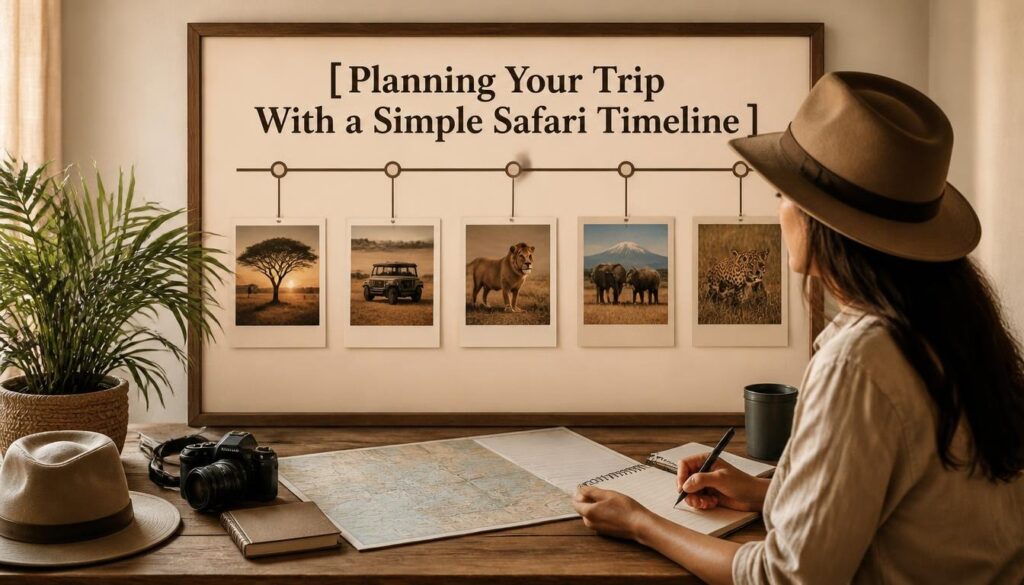
A clear timeline can make safari preparation easier. Therefore, divide the process into small steps.
Several Months Before Departure
Choose your destination and travel dates. Next, compare safari operators, camps, and transport options.
Then, check your passport and entry requirements. Also, speak with a travel health professional about your destination.
Before Booking Flights
Confirm your safari dates first. This can help prevent unnecessary changes later.
Moreover, check how you will travel between international airports and safari areas. Leave enough time for important connections.
Before Leaving Home
Review your packing list. Confirm accommodation, transfers, luggage limits, and payment details.
Finally, save copies of important documents. Keep emergency contact details easy to access during your trip.
Frequently Asked Questions
What is the best African safari destination?
There is no single best safari destination for everyone. Kenya, Tanzania, South Africa, Botswana, and Namibia all offer different experiences. Therefore, choose based on your wildlife goals, budget, travel dates, comfort, and available time.
How far ahead should I book an African safari?
Booking several months ahead is useful for many safari trips. However, popular dates and specific camps may require earlier planning. Therefore, book sooner if you need family rooms, private vehicles, or particular accommodation.
What should I wear on an African safari?
Choose lightweight clothing that can be layered. Long trousers, comfortable shirts, walking shoes, and a warm layer are useful. Also, bring a hat, sunglasses, sunscreen, and suitable insect protection.
Is an African safari suitable for children?
Yes, many families enjoy safari holidays. However, age rules vary between camps and activities. Therefore, check minimum ages, family rooms, vehicle arrangements, and child-friendly activities before booking.
Is an African safari safe?
Safari travel can be enjoyed safely when visitors follow local rules and guide instructions. However, wild animals are unpredictable. Therefore, remain with your guide, follow vehicle rules, and never approach wildlife without professional supervision.
Do I need vaccines for an African safari?
Health requirements depend on your destination, route, and personal circumstances. Therefore, speak with a qualified travel health professional before departure. Also, check current official health guidance for every country on your itinerary.
How can I make an African safari more affordable?
Compare group and private safaris, accommodation types, travel seasons, and included services. Moreover, consider travelling outside the busiest periods when suitable. Always compare the complete package rather than only the advertised daily price.
Also Read;
Best Time to Visit Bali: Weather, Seasons & Travel Tips
Schengen Travel Insurance: Easy Guide for First-Time Travelers
Conclusion
Planning Your Trip for an African safari becomes much easier when you start with clear goals. First, decide which animals, landscapes, and experiences matter most to you. Next, choose a destination that matches your interests, budget, travel dates, and comfort level. Then, compare safari operators, accommodation, transportation, park fees, and included activities. Furthermore, prepare for health needs, travel documents, insurance, and wildlife safety before departure. Families should check age rules, while travellers with accessibility needs should discuss their requirements early. Therefore, careful preparation can reduce stress and give you more time to enjoy Africa.
Finally, remember that a safari is a nature experience, so flexibility matters. Wildlife can move, weather can change, and roads can affect travel times. However, these unexpected moments can become some of the best memories of your journey. Choose responsible tourism, respect local communities, follow your guide, and give wildlife plenty of space. Moreover, pack wisely, travel at a comfortable pace, and enjoy the quiet moments between exciting sightings. With thoughtful Planning Your Trip, your African safari can become a rewarding journey filled with wildlife, beautiful landscapes, local culture, and lasting memories.
