
Planning a Trip to Africa can lead to one of the most exciting journeys of your life. Africa offers amazing wildlife, rich cultures, beautiful beaches, historic cities, and vast natural landscapes. Moreover, every region has its own climate, travel style, and local traditions. Therefore, choosing the right destination should be your first step. A good plan can also help you manage your budget, travel time, health needs, and daily activities.
However, planning a trip to Africa takes more thought than planning a simple city break. Africa is a huge continent with many different travel conditions. Therefore, your ideal trip depends on your interests, budget, dates, and comfort level. You should also check entry rules, health advice, transport options, and local travel guidance. This complete 2026 guide will help you plan a smooth, safe, and memorable African adventure.
Planning a Trip to Africa: Choose Your Destination First
Planning a Trip to Africa should begin with choosing the right country. Africa offers many different travel experiences, so your choice should match your goals. Therefore, think about what you want to see before choosing your route.
If wildlife is your main goal, Kenya and Tanzania are popular choices. South Africa offers wildlife along with cities, beaches, food, and scenic drives. Meanwhile, Namibia is known for dramatic desert landscapes and wide open spaces.
Botswana can suit travelers who want peaceful wildlife experiences. Rwanda and Uganda can appeal to travelers interested in mountain and forest experiences. Morocco offers historic cities, markets, deserts, mountains, and rich food traditions.
Therefore, do not choose a country only because it is famous. Instead, match the destination with your interests, budget, travel dates, and comfort level.
Planning a Trip to Africa: Match Your Destination With Your Interests
| Main Travel Interest | Destinations to Consider |
| Classic safari | Kenya, Tanzania, South Africa |
| Wildlife viewing | Botswana, Kenya, Tanzania |
| Desert landscapes | Namibia, Morocco |
| Beaches | Zanzibar, Mauritius, South Africa |
| Mountains | Morocco, Rwanda, Uganda |
| Cities and culture | Morocco, South Africa, Ghana |
| Family travel | South Africa, Morocco, selected safari areas |
| Luxury travel | Botswana, Tanzania, South Africa |
| Adventure travel | Namibia, Tanzania, Uganda, Morocco |
These suggestions are a starting point rather than a fixed ranking. However, your final choice should also consider weather, travel time, local conditions, and your personal interests.
Planning a Trip to Africa: Pick the Right Travel Season
Planning a Trip to Africa also means choosing the right time to travel. There is no single best month for the whole continent. Therefore, your travel dates should match your destination and planned activities.
For many safari areas, dry months are popular for wildlife viewing. During these periods, vegetation may become thinner. Animals may also gather around available water sources.
However, green seasons can provide a very different experience. Landscapes may become lush and colorful. Some areas may also have fewer visitors during quieter periods.
Therefore, research the exact region before choosing your dates. A season that works well in one country may not provide the same experience elsewhere.
Planning a Trip to Africa: High Season vs. Green Season
| Travel Period | Possible Benefits | What to Consider |
| High season | Popular wildlife viewing conditions | Higher demand may occur |
| Shoulder season | Possible balance of crowds and weather | Conditions vary |
| Green season | Green landscapes and fewer visitors | Rain may affect some plans |
| Wet periods | Lush scenery and unique views | Some roads or activities may change |
Your ideal season depends on the destination. Therefore, always check local conditions before booking flights and accommodation.
Planning a Trip to Africa: Build Your Trip Around One Main Goal
Planning a Trip to Africa becomes easier when you know what you want most. Perhaps you want to see elephants, lions, or other wildlife. Maybe you dream about relaxing on a beautiful beach after a safari.
You could also focus on culture, food, history, photography, hiking, or nature. Therefore, write down your top three travel goals before creating your itinerary.
For example, a traveler with ten days might choose one safari region. Another traveler with two weeks might combine wildlife with a coastal stay.
However, avoid adding too many countries. Africa is enormous, and long-distance travel can take more time than expected.
Therefore, fewer destinations can often create a more relaxed and enjoyable holiday.
Planning a Trip to Africa: Create a Realistic Budget
Planning a Trip to Africa requires a clear travel budget. Your final cost can change greatly depending on your destination, season, hotel type, and activities.
Your budget may include international flights, local flights, accommodation, meals, park fees, tours, insurance, and entry costs.
Safari travel can become expensive, especially with luxury camps and private guides. However, different travel styles are available in many destinations.
Therefore, decide how much you can comfortably spend before choosing your hotels. This approach can prevent expensive changes later.
Also, keep some extra money for unexpected costs. A small emergency fund can help if transport changes or plans shift.
Planning a Trip to Africa: Main Costs to Include
| Expense | What to Consider |
| Flights | International and regional flights |
| Accommodation | Hotels, lodges, camps, or resorts |
| Transport | Transfers, trains, buses, or rental cars |
| Activities | Safaris, tours, hikes, and excursions |
| Food | Meals, drinks, and special diets |
| Insurance | Medical, cancellation, and baggage coverage |
| Entry costs | Visas or other required documents |
| Health | Travel health needs and medicines |
| Emergency fund | Unexpected changes or extra expenses |
Moreover, compare what your accommodation includes. Some packages may include meals or activities, while others may charge separately.
Planning a Trip to Africa: Plan Flights and Local Transport
Planning a Trip to Africa also means thinking carefully about transportation. Large cities often have more flight choices than remote safari areas.
However, remote destinations may require smaller aircraft, private transfers, or long road journeys. Therefore, check your complete route before booking hotels.
Do not create very tight connections between important flights. A small delay could affect the rest of your itinerary.
Moreover, regional safari flights can have different baggage limits. Therefore, check the exact luggage rules before packing.
For road travel, ask your hotel or tour operator about transfer times. Travel times may change because of road conditions, weather, or local factors.
Planning a Trip to Africa: Choose Guided or Independent Travel
Planning a Trip to Africa includes deciding how much support you want. Independent travel gives you more freedom and control over your schedule.
However, guided travel can make complex routes easier. Local guides can also provide useful information about wildlife, history, culture, and local customs.
Safari trips often benefit from experienced guides. They understand park rules, local roads, wildlife behavior, and suitable viewing areas.
Therefore, first-time visitors may prefer guided experiences in remote regions. Independent travel can work well when destinations have suitable tourism infrastructure.
Planning a Trip to Africa: Which Travel Style Is Right?
| Travel Style | Best For | Main Benefit |
| Independent | Experienced travelers | More freedom |
| Guided | First-time visitors | Local support |
| Private | Couples and families | Personal schedule |
| Group | Social travelers | Shared experience |
| Luxury | Comfort-focused travelers | Premium services |
Ultimately, your comfort level should guide your choice. Moreover, you can combine independent travel with guided tours during the same trip.
Planning a Trip to Africa: Check Visa and Entry Rules
Planning a Trip to Africa should always include entry research. Visa rules vary between countries and nationalities. Therefore, never assume that one country’s rules apply to another.
Check your passport validity before booking your trip. Also, check visa requirements, electronic travel authorizations, and transit rules.
Moreover, check every country on your route. A transit country may have separate requirements.
Keep digital and printed copies of important documents. This can make travel easier if you need to show them during your journey.
Finally, verify requirements through official government or immigration sources before departure. Rules can change, so current information matters.
Planning a Trip to Africa: Prepare for Travel Health
Planning a Trip to Africa should include health preparation well before departure. Your health needs depend on your destination, activities, and personal situation.
Some African destinations have malaria transmission. Therefore, travelers should discuss malaria prevention with a qualified healthcare professional when visiting affected areas.
Vaccination needs also vary by destination. Yellow fever vaccination may be recommended or required for some countries and travelers.
Therefore, arrange a travel health consultation before your trip. Also, review routine vaccinations and destination-specific health guidance.
Your healthcare professional can provide advice based on your itinerary. Moreover, early preparation gives you time to complete any recommended health steps.
Planning a Trip to Africa: Protect Yourself From Mosquitoes
Planning a Trip to Africa may require mosquito protection in certain destinations. Therefore, check mosquito and malaria risks for each place you plan to visit.
Use insect repellent according to its instructions. Wear suitable clothing when needed. Also, choose accommodation with appropriate mosquito protection.
If a healthcare professional recommends malaria medicine, follow the instructions carefully. Do not use another traveler’s medicine plan as your own.
Moreover, malaria risk varies by location. Therefore, country-level information may not provide enough detail for every trip.
Planning a Trip to Africa: Follow Safe Food and Water Habits
Planning a Trip to Africa should also include sensible food and water choices. Travelers can enjoy local food while still taking basic precautions.
Choose food that is cooked properly and served hot when possible. Drink water from a trusted and safe source.
Also, wash your hands often. Carry hand sanitizer when clean water may not be available.
If you have dietary restrictions, tell your hotel or tour operator early. This can make meal planning much easier.
Therefore, research local food guidance before visiting each destination. Your hotel or guide can also suggest trusted places to eat.
Planning a Trip to Africa: Pack for Your Destination
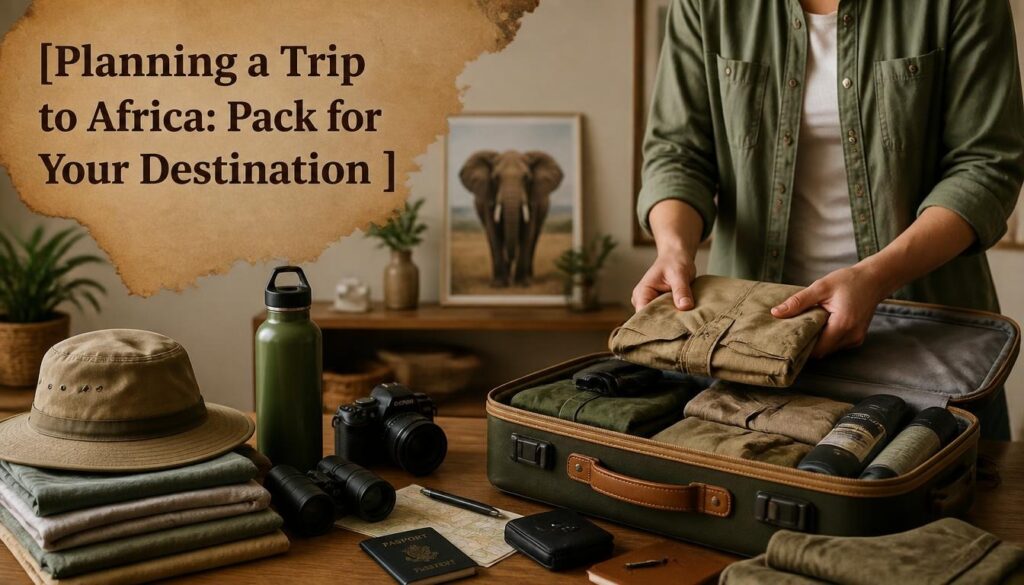
Planning a Trip to Africa does not mean packing the same items for every country. Africa includes deserts, beaches, forests, mountains, cities, and safari areas.
For safari travel, lightweight layers can be useful. Early mornings may feel cool, while afternoons can become warmer.
Comfortable walking shoes can also help during outdoor activities. Sun protection is useful in many destinations.
Planning a Trip to Africa: Useful Packing Items
| Item | Why It Helps |
| Lightweight clothing | Useful for warm weather |
| Warm layers | Helpful during cooler mornings |
| Walking shoes | Useful for outdoor activities |
| Sun protection | Helps during outdoor time |
| Insect repellent | Useful in mosquito areas |
| Personal medicines | Supports your health needs |
| Travel documents | Needed for important checks |
| Reusable bottle | Useful during long days |
| Phone charger | Keeps devices ready |
| Power adapter | Helps with local outlets |
| Small day bag | Useful for daily activities |
However, avoid packing too much. Some safari flights have strict luggage limits.
Therefore, always check your operator’s baggage rules before departure.
Planning a Trip to Africa: Make It Family-Friendly
Planning a Trip to Africa can work well for families. However, family suitability depends on the destination, children’s ages, and planned activities.
Some safari lodges have age restrictions. Therefore, check their policies before making a booking.
Long transfers can also be tiring for younger children. Therefore, choose shorter travel days when possible.
Moreover, look for family rooms and suitable meal options. Ask about child-friendly activities before booking.
Parents should also check destination-specific health guidance for children. Travel health needs can vary by age and destination.
Planning a Trip to Africa: Consider Accessibility
Planning a Trip to Africa should include accessibility planning for travelers with mobility or other needs.
Tell hotels and tour operators about your needs before booking. Ask about accessible rooms, bathrooms, vehicles, walking paths, and transfers.
Safari access can differ greatly between lodges. Therefore, ask specific questions rather than assuming a property is accessible.
If you use mobility equipment, confirm luggage and vehicle arrangements early. Written confirmation can also help avoid confusion.
Moreover, discuss activity requirements before booking. Some experiences may involve uneven ground, stairs, or long walks.
Planning a Trip to Africa: Follow Practical Safety Tips
Planning a Trip to Africa should include basic safety preparation. However, safety conditions differ between countries, cities, and regions.
Research official travel advice before departure. Also, learn about local laws and customs.
Keep your passport and important documents secure. Carry copies and store digital backups.
Furthermore, avoid showing large amounts of cash or expensive items. Use trusted transport when possible.
Follow advice from your hotel, guide, or local authorities. They can often provide useful information about specific areas.
For remote trips, keep emergency contacts available. Therefore, you can get help more easily if plans change.
Planning a Trip to Africa: Respect Local Culture
Planning a Trip to Africa is also a chance to learn about new cultures. Therefore, show respect for local customs throughout your journey.
Dress appropriately when visiting religious or traditional places. Ask permission before photographing people.
Also, learn a few simple local greetings. Small efforts can create warmer interactions.
When visiting communities, follow your guide’s instructions. Avoid treating local people as tourist attractions.
Moreover, support local businesses when possible. Eat at local restaurants and purchase genuine local products.
Responsible travel can make your experience more meaningful. It can also help you build better connections with local communities.
Planning a Trip to Africa: Choose Responsible Wildlife Tours
Planning a Trip to Africa should include responsible wildlife choices. Tourism can support conservation when travelers choose ethical operators.
Avoid activities that encourage unsafe wildlife interactions. Never feed wild animals unless an authorized program allows it.
Also, maintain a respectful distance from wildlife. Follow park and guide rules at all times.
Ask tour operators how they support conservation and local communities. Clear answers can help you make better choices.
Therefore, look for operators that explain their environmental and community practices clearly. Responsible choices can help protect important wildlife areas.
Planning a Trip to Africa: Keep Your Schedule Flexible
Planning a Trip to Africa should include enough free time. A packed schedule can make your holiday tiring.
Leave time to rest after long flights. Also, allow extra time between important transfers.
Safari days may begin early. Meanwhile, beach and city holidays can offer more flexible schedules.
Weather, flight changes, and local conditions can affect plans. Therefore, flexibility can reduce stress.
Try to balance active days with slower days. This simple approach can make the entire trip more enjoyable.
Planning a Trip to Africa: Buy Suitable Travel Insurance
Planning a Trip to Africa should include travel insurance research. A suitable policy may provide protection for covered medical problems, cancellations, interruptions, or baggage issues.
However, coverage differs between policies. Therefore, read the policy terms before buying.
If you plan adventure activities, check whether they are covered. Remote safari travel may also require careful review of emergency assistance terms.
Do not choose insurance based only on price. Instead, compare coverage limits, exclusions, and the activities included.
Planning a Trip to Africa: Organize Your Travel Documents
Planning a Trip to Africa becomes easier when your documents are organized. Good organization can also reduce stress during airport checks and hotel arrivals.
Keep your passport, visa information, insurance details, booking confirmations, and emergency contacts together.
Store secure digital copies as well. Also, keep important information available offline.
Make sure your phone has your flight and accommodation details. Therefore, you can access them without searching through many emails.
You should also keep important contacts written down. This can help if your phone battery runs out.
Planning a Trip to Africa: Manage Your Money
Planning a Trip to Africa should include a clear payment plan. Payment methods can vary between destinations.
Cards may work well in major hotels and businesses. However, remote areas may offer fewer payment choices.
Therefore, research payment options before traveling. Carry a reasonable emergency amount of local currency when appropriate.
Also, check your bank’s international fees. Foreign transaction charges can increase your total spending.
Avoid carrying more cash than you need. Keep payment cards and cash in secure places.
Planning a Trip to Africa: Choose the Right Accommodation
Planning a Trip to Africa also means choosing accommodation carefully. The cheapest option is not always the best choice for your itinerary.
Check the property’s location, transport options, meal plans, and guest reviews. Also, confirm what your booking includes.
For safari lodges, ask whether meals, activities, transfers, or park fees are included. Package details can vary.
Moreover, check arrival arrangements for remote properties. Some lodges may require special transfers.
If you travel with children or need accessible facilities, ask before booking. Clear communication can prevent problems after arrival.
Planning a Trip to Africa: Know When to Book
Planning a Trip to Africa can benefit from early booking. This is especially useful when you want a specific safari lodge or popular travel period.
Popular travel dates can have strong demand. Therefore, early planning may give you more accommodation choices.
However, you do not need to book every small detail immediately. Focus first on international flights, key accommodation, permits, and major activities.
Then, arrange smaller details later. This approach keeps your planning organized without making the trip feel overwhelming.
Planning a Trip to Africa: Create a Simple Itinerary
Planning a Trip to Africa works best with a simple route. Trying to visit too many countries can make your holiday stressful.
For a one-week trip, consider one main region. For two weeks, you may have room for two connected experiences.
For example, you could combine a safari with a beach stay. You could also combine a city visit with nearby nature experiences.
However, always consider travel time between destinations. Therefore, check the actual route before adding another stop.
Planning a Trip to Africa: Sample Planning Timeline
| Time Before Departure | Main Planning Task |
| 9–12 months | Choose countries and main route |
| 6–9 months | Compare flights and key accommodation |
| 3–6 months | Review entry and health needs |
| 2–3 months | Confirm tours and local transport |
| 1 month | Finalize documents and packing |
| 1 week | Check schedules and local updates |
These timeframes are flexible. Therefore, adjust them based on your destination, travel season, and booking needs.
Planning a Trip to Africa: Leave Room for Local Experiences
Planning a Trip to Africa should not be limited to famous attractions. Local experiences can become some of your strongest travel memories.
Try local food when it is prepared safely. Visit local markets and learn about traditional crafts.
You can also spend time talking with guides and local hosts. They can provide insights that guidebooks may not offer.
Moreover, local experiences can support communities. Therefore, choose responsible businesses whenever possible.
Remember to ask before taking photographs of people. Respect for local customs should always come first.
Planning a Trip to Africa: Prepare for Different Weather
Planning a Trip to Africa requires attention to local weather. Conditions can change greatly between regions.
Desert destinations may have large temperature changes between day and night. Coastal destinations may feel warm and humid.
Safari areas can also have cool mornings and warmer afternoons. Therefore, layers can be useful.
Rain can affect outdoor activities and road travel in some regions. However, rainy periods can also create beautiful green landscapes.
Always check a reliable weather forecast before your departure. Then, adjust your clothing and activity plans if needed.
Planning a Trip to Africa: Make Your Safari More Enjoyable
Planning a Trip to Africa can become even better with realistic safari expectations. Wildlife is unpredictable, so sightings cannot be guaranteed.
Therefore, enjoy the entire experience rather than focusing on one animal. The landscape, sounds, birds, and smaller animals are also part of the safari.
Follow your guide’s instructions during every game drive. Keep quiet when necessary and avoid sudden movements near wildlife.
Also, respect other guests. Do not block their view or pressure drivers to break park rules.
A responsible safari focuses on nature rather than a checklist. This mindset can make every wildlife encounter feel more special.
Planning a Trip to Africa: Use Smart Photography Habits
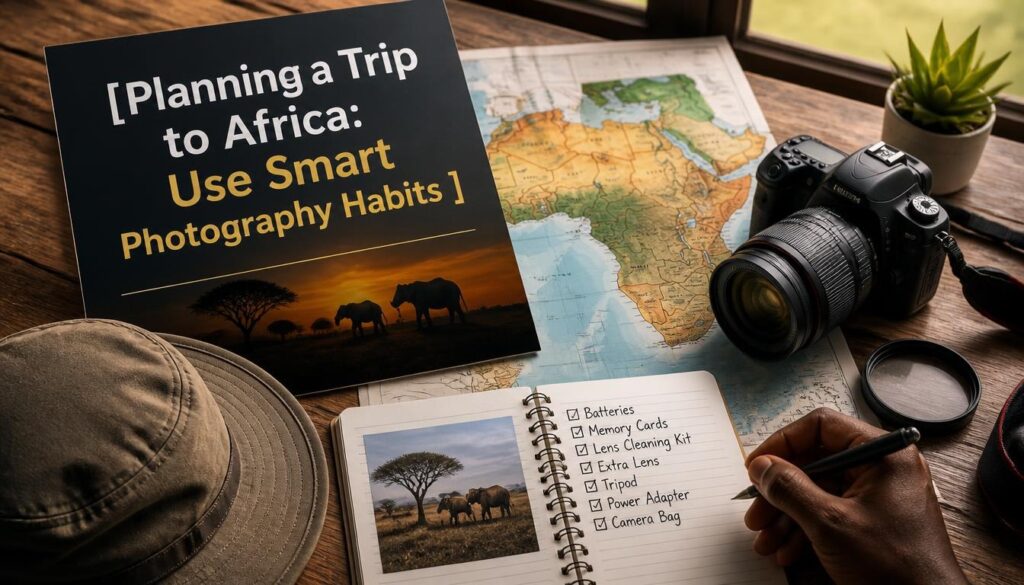
Planning a Trip to Africa can be exciting for photographers. However, patience matters more than taking hundreds of pictures.
Keep your camera ready during wildlife drives. Animals can appear without warning.
If you use a camera, learn its basic settings before your trip. This can help you react quickly.
Also, avoid disturbing wildlife for a photograph. Never ask a guide to break safety or park rules.
When photographing local people, ask permission first. Respect should always come before photography.
Planning a Trip to Africa: Learn Basic Local Customs
Planning a Trip to Africa becomes easier when you understand local customs. Therefore, learn a few basic rules before arrival.
Research local dress expectations. Learn whether tipping is common in your destination.
Also, understand common greetings and social manners. A small amount of preparation can prevent awkward moments.
Your hotel or guide can also provide useful advice. Therefore, ask questions instead of making assumptions.
Most importantly, stay patient and respectful. Travel styles can differ from what you know at home.
Planning a Trip to Africa: Enjoy Local Food Responsibly
Planning a Trip to Africa can introduce you to many new flavors. Therefore, make local food part of your travel experience.
Try traditional dishes when they are prepared in clean and trusted places. Local restaurants can offer a more authentic experience.
However, travelers should still use sensible food choices. Choose properly cooked meals and safe drinking water.
If you have food allergies, explain them clearly. Also, carry information about serious allergies when needed.
Moreover, ask guides for trusted food recommendations. They can help you discover local dishes while avoiding unnecessary problems.
Planning a Trip to Africa: Plan for Long Travel Days
Planning a Trip to Africa should include realistic expectations about travel time. Distances between destinations can be greater than they look on a map.
Therefore, do not plan several major activities after a long transfer. Give yourself time to rest and settle in.
Long road journeys can also feel tiring. Breaks can make these journeys more comfortable.
Moreover, early flights may require very early departures. Consider your sleep schedule when planning the next day’s activities.
A relaxed pace can make the whole journey more enjoyable.
Planning a Trip to Africa: Make a Final Pre-Departure Check
Planning a Trip to Africa should end with one final review. A checklist can help you catch small issues before departure.
Confirm your passport and entry documents. Check your flights and accommodation.
Review destination health advice. Also, confirm your travel insurance.
Download important documents for offline access. Save emergency contacts on your phone.
Finally, check luggage limits for every flight. This is especially important for safari transfers.
Planning a Trip to Africa: Final Checklist
| Check Before Departure | Status to Confirm |
| Passport | Valid and ready |
| Visa | Requirement checked |
| Flights | Confirmed |
| Accommodation | Confirmed |
| Insurance | Policy reviewed |
| Health | Advice reviewed |
| Medicines | Packed |
| Luggage | Weight checked |
| Documents | Digital copies saved |
| Emergency contacts | Saved |
| Weather | Forecast checked |
| Transport | Transfers confirmed |
A final review can prevent simple problems. Therefore, complete this check several days before leaving home.
Frequently Asked Questions
What is the best country for a first trip to Africa?
South Africa, Kenya, and Tanzania can be good choices for first-time visitors. However, the right destination depends on your budget, interests, and preferred activities.
How much does an Africa trip cost?
There is no single price for an Africa trip. Costs depend on your destination, travel season, accommodation, transport, and activities. Therefore, create a budget based on your exact itinerary.
What is the best month to visit Africa?
There is no single best month for the entire continent. Dry periods can suit some safari areas, while green seasons offer different scenery. Therefore, research your chosen destination before booking.
Is Africa suitable for family travel?
Yes, many African destinations can suit families. However, check age restrictions, travel times, accommodation rules, and activity requirements before booking.
Do I need travel insurance for an Africa trip?
Travel insurance is worth considering for international travel. Choose coverage that matches your itinerary, activities, and personal needs. Always read the policy terms carefully.
Should I book an African safari early?
Early booking can help during popular travel periods. Specific lodges and activities may have limited availability. However, quieter seasons can sometimes offer more flexibility.
What health preparation should I do before traveling?
Health preparation depends on your destination and activities. Therefore, speak with a travel health professional before departure. Review vaccines, malaria prevention, food safety, and other local guidance.
Conclusion
Planning a Trip to Africa can feel challenging at first, but a clear plan makes everything easier. Start by choosing the destination that matches your main interests. Then, select suitable travel dates and create a realistic budget. Moreover, check entry requirements, health guidance, transport, accommodation, and insurance before departure. Keep your itinerary simple and allow extra time between major journeys. Most importantly, respect local people, wildlife, and natural areas throughout your adventure. With thoughtful preparation, you can enjoy more of the journey and worry less about small problems.
Planning a Trip to Africa can also give you the freedom to create a truly personal adventure. You may choose an exciting safari, a peaceful beach stay, a cultural city break, or a mix of several experiences. However, you do not need to see everything in one visit. Choose quality experiences that match your time, budget, and travel style. Furthermore, keep an open mind because unexpected moments can become your favourite memories. With smart planning, flexible thinking, and responsible choices, your 2026 Africa trip can become an unforgettable experience.
